


Гидроэлектростанции: энергия будущего или вчерашний день
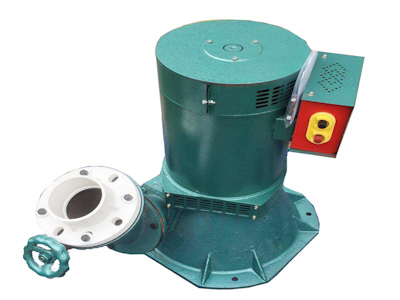
В современном мире, где вопросы энергетической безопасности, экологии и устойчивого развития выходят на первый план, гидроэлектростанции (ГЭС) остаются одной из ключевых тем для обсуждения. С одной стороны, они представляют собой проверенный временем источник возобновляемой энергии, способный обеспечивать стабильное электроснабжение. С другой стороны, критики указывают на их негативное воздействие на окружающую среду и устаревание в эпоху солнечных и ветровых технологий. В этой статье мы глубоко исследуем, являются ли ГЭС энергией будущего или же они постепенно уходят в прошлое, анализируя исторический контекст, текущее состояние и перспективы развития гидроэнергетики.
Исторический обзор гидроэнергетики
Гидроэнергетика имеет богатую историю, насчитывающую тысячелетия. Еще в древние времена люди использовали силу воды для помола зерна и других механических работ. Однако настоящий прорыв произошел в конце XIX века с изобретением гидротурбин и генераторов, что позволило преобразовывать энергию воды в электричество. Первые ГЭС, такие как Ниагарская ГЭС в США (1895 год) и ГЭС на реке Неве в России (1896 год), положили начало массовому использованию гидроэнергии.
В XX веке гидроэнергетика пережила бурный рост, особенно в период индустриализации. Крупные проекты, like the Hoover Dam in the USA or the Bratskaya GES in the USSR, стали символами technological progress. В России гидроэнергетика играла crucial role in electrification, with the construction of cascades on rivers like the Volga and Yenisei. К 1980-м годам ГЭС обеспечивали до 20% global electricity production, demonstrating their importance.
Однако с развитием атомной и тепловой энергетики, а также с ростом экологического сознания, интерес к ГЭС began to wane. Критики highlighted issues such as habitat destruction, displacement of communities, and sedimentation. Несмотря на это, many countries continued to invest in hydroelectric power, recognizing its reliability and low operational costs.
Преимущества гидроэлектростанций
ГЭС обладают рядом неоспоримых преимуществ, которые делают их attractive option in the energy mix. Во-первых, они используют возобновляемый ресурс – воду, which is replenished through the natural water cycle. Это contrasts with fossil fuels, which are finite and contribute to climate change. Во-вторых, ГЭС provide baseload power, meaning they can operate continuously and stabilize the grid, unlike intermittent sources like solar and wind.
Экономически, гидроэнергетика often has low operating costs once the initial investment is recovered. Срок службы ГЭС can exceed 50-100 years, making them a long-term asset. Additionally, many hydroelectric projects serve multiple purposes, such as flood control, irrigation, and water supply, enhancing their value to society.
В контексте борьбы с изменением климата, ГЭС produce minimal greenhouse gas emissions during operation. Хотя there are emissions from reservoir decomposition, they are generally lower than those from coal or gas plants. This makes hydroelectric power a key component of decarbonization strategies in many countries.
Недостатки и экологические проблемы
Несмотря на преимущества, ГЭС face significant criticism due to their environmental and social impacts. Крупные плотины can disrupt river ecosystems, leading to loss of biodiversity, changes in water temperature, and obstruction of fish migration. Например, строительство ГЭС на реке Янцзы в Китае negatively affected species like the Chinese sturgeon.
Социальные issues include the displacement of local communities. Millions of people worldwide have been relocated due to reservoir creation, often without adequate compensation. Это can lead to social unrest and loss of cultural heritage.
Кроме того, ГЭС are vulnerable to climate change. Changes in precipitation patterns can affect water availability, reducing electricity generation. In some regions, droughts have already impacted hydroelectric output, highlighting the need for adaptive measures.
Современное состояние и инновации
В настоящее время гидроэнергетика продолжает развиваться, with a focus on minimizing negative impacts and improving efficiency. Инновации include the development of small-scale and run-of-the-river hydro plants, which have lower environmental footprints. Additionally, advancements in turbine technology allow for better fish passage and reduced ecological disruption.
В России и других странах ongoing projects aim to modernize existing ГЭС, increasing their capacity and efficiency. For example, the modernization of Sayano-Shushenskaya GES in Russia has enhanced its safety and output. Furthermore, pumped-storage hydroelectricity is gaining attention as a way to store energy and balance grid fluctuations, supporting the integration of renewables.
Глобально, гидроэнергетика remains a significant part of the energy mix. According to the International Energy Agency (IEA), hydroelectric power accounts for about 16% of global electricity generation, with potential for growth in developing regions.
Будущее гидроэнергетики
Будущее ГЭС depends on how well they can adapt to new challenges. С одной стороны, the shift towards decentralized and renewable energy might reduce the dominance of large hydro projects. Однако, with increasing energy demand and climate goals, ГЭС could play a complementary role.
Перспективы include the integration of digital technologies, such as AI and IoT, for optimal operation and maintenance. Additionally, hybrid systems that combine hydro with solar or wind power are being explored to enhance reliability.
В долгосрочной перспективе, гидроэнергетика may evolve towards more sustainable practices, such as using existing infrastructure for energy storage rather than building new dams. This could help mitigate environmental impacts while leveraging the benefits of hydro power.
Заключение
Гидроэлектростанции не являются ни纯粹 энергией будущего, ни纯粹 вчерашним днем. Они represent a complex and evolving technology that must balance economic benefits with environmental and social responsibilities. При правильном управлении и инновациях, ГЭС can continue to contribute to a sustainable energy future, especially in regions with abundant water resources. Однако, для этого необходимо addressing their drawbacks through better planning, technology, and policies. В конечном счете, гидроэнергетика останется relevant, but its role will likely shift towards integration with other renewables rather than standalone dominance.
Эта статья предоставляет comprehensive overview, но для полного понимания рекомендуется further research and consultation with experts. Гидроэнергетика – это dynamic field that requires ongoing dialogue and adaptation to global changes.
Следующий пост: Удивительная эффективность гидротурбин как они экономят энергию