
Удивительная эффективность гидротурбин как они экономят энергию
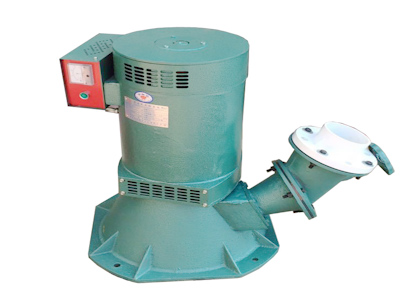
В современном мире, где вопросы энергетики и экологии становятся все более актуальными, гидротурбины представляют собой один из самых эффективных и устойчивых способов генерации энергии. Эти устройства, преобразующие энергию воды в электричество, не только помогают снизить зависимость от ископаемых топлив, но и значительно экономят энергию, способствуя глобальным усилиям по борьбе с изменением климата. В этой статье мы подробно рассмотрим, как гидротурбины достигают такой удивительной эффективности, их принципы работы, типы, преимущества и инновации, которые делают их незаменимыми в энергетическом секторе.
Введение в гидротурбины и их роль в энергосбережении
Гидротурбины являются сердцем гидроэлектростанций (ГЭС), которые производят около 16% мирового электричества. Это делает гидроэнергетику крупнейшим источником возобновляемой энергии, опережая солнечную и ветровую. Основное преимущество гидротурбин заключается в их высокой эффективности преобразования энергии: они могут достигать КПД до 90%, что значительно выше, чем у многих других методов генерации. Например, тепловые электростанции на угле или газе имеют КПД около 30-40%, а атомные – до 33%. Это означает, что гидротурбины минимизируют потери энергии, напрямую экономя ресурсы и снижая выбросы CO2.
Экономия энергии через гидротурбины проявляется в нескольких аспектах. Во-первых, они используют бесплатный и возобновляемый ресурс – воду, который не требует дорогостоящей добычи или импорта. Во-вторых, гидротурбины обладают быстрым временем отклика, позволяя гибко управлять энергоснабжением и избегать перегрузок сетей. Это особенно важно в эпоху растущего спроса на электроэнергию, где эффективность становится ключевым фактором устойчивости.
Ключевой момент: Гидротурбины не только генерируют энергию, но и экономят ее за счет минимизации потерь и использования устойчивых ресурсов, что делает их vital для глобальной энергетической безопасности.
Принципы работы гидротурбин: Как вода превращается в электричество
Чтобы понять, как гидротурбины экономят энергию, необходимо разобраться в их основе работы. Гидротурбина – это механическое устройство, которое преобразует кинетическую и потенциальную энергию воды в mechanical energy, а затем генератор превращает ее в electrical energy. Процесс начинается с создания напора воды, typically через плотины или естественные перепады высот. Вода под давлением направляется на лопатки турбины, вызывая их rotation. Этот rotation передается на вал, connected к генератору, где и производится electricity.
Эффективность этого процесса зависит от нескольких factors:
- Напор воды: Чем выше напор, тем больше energy available для conversion. Гидротурбины designed для specific напоров, such как высоконапорные или низконапорные, чтобы maximize efficiency.
- Расход воды: Объем воды, passing through турбину, directly влияет на output power. Modern турбины optimized для varying расходов, allowing adaptability to seasonal changes.
- Конструкция турбины: Different типы, such как реактивные (e.g., Francis турбины) или активные (e.g., Pelton турбины), designed для specific условий, ensuring minimal energy losses.
Благодаря этим принципам, гидротурбины achieve КПД 85-90%, meaning что only 10-15% energy теряется в process. Compare this to fossil fuel plants, where up to 60% energy может быть lost as heat. This high efficiency directly translates to energy savings, as more input energy converted into useful output.
Типы гидротурбин и их эффективность
Гидротурбины come in various types, each optimized for different conditions to maximize energy savings. The main categories include:
- Реактивные турбины: Such as Francis and Kaplan turbines, which use both pressure and velocity of water. They are ideal for medium to low heads and variable flows, with efficiencies up to 94%. For example, Francis turbines are widely used in large-scale hydropower plants due to their adaptability.
- Активные турбины: Like Pelton turbines, which utilize high-velocity jets of water. They are suited for high-head applications and can achieve efficiencies over 90%. These are common in mountainous regions with steep gradients.
- Осевые турбины: Such as propeller turbines, designed for low-head, high-flow situations. They are efficient in run-of-river projects without large dams.
Each type is engineered to minimize energy losses. For instance, modern materials like stainless steel and composite alloys reduce friction and wear, while computational fluid dynamics (CFD) simulations optimize blade design for maximum energy extraction. This specialization ensures that hydropower plants operate at peak efficiency, saving energy compared to less optimized systems.
| Тип турбины | Оптимальные условия | КПД (%) | Пример применения |
|---|---|---|---|
| Francis | Средний напор, переменный расход | 90-94 | Крупные ГЭС, e.g., Саяно-Шушенская ГЭС в России |
| Pelton | Высокий напор, низкий расход | 88-92 | Горные регионы, e.g., проекты в Альпах |
| Kaplan | Низкий напор, высокий расход | 85-90 | Речные ГЭС, e.g., станции на Волге |
This table illustrates how different turbines are tailored to save energy in specific environments, highlighting the importance of choosing the right type for maximum efficiency.
Преимущества гидротурбин в экономии энергии
Гидротурбины offer numerous advantages that contribute to energy savings:
- Высокий КПД: As mentioned, efficiencies up to 90% mean less waste and more useful energy output. This reduces the need for additional energy sources, saving overall consumption.
- Возобновляемость: Water is a renewable resource, so hydropower doesn't deplete finite fuels. This saves energy in the long term by avoiding the energy-intensive processes of extracting and transporting fossil fuels.
- Гибкость и надежность: Hydropower plants can quickly adjust output to match demand, preventing energy shortages or surpluses that lead to waste. This grid stability saves energy that might otherwise be lost in inefficient distribution.
- Низкие эксплуатационные расходы: Once built, hydropower plants have low operating costs, as water is free. This saves financial energy that can be reinvested in other efficiency measures.
- Экологические benefits: By reducing greenhouse gas emissions, hydropower saves the energy that would be needed to mitigate climate impacts. For example, it avoids the energy cost of carbon capture technologies.
Moreover, hydropower supports energy savings through pumped storage, where excess energy is used to pump water uphill for later use, acting as a giant battery. This enhances overall energy efficiency by storing energy during low demand and releasing it during peaks.
Инсайт: The combination of high efficiency, renewability, and flexibility makes гидротурбины a cornerstone of energy savings, with a single large plant capable of powering millions of homes efficiently.
Инновационные технологии в гидротурбинах для повышения эффективности
To further enhance energy savings, continuous innovations are being developed in гидротурбин technology:
- Умные турбины: Integration with IoT and AI allows real-time monitoring and optimization of turbine performance. Sensors detect changes in water flow and adjust blades automatically to maintain peak efficiency, saving energy that would be lost in suboptimal conditions.
- Новые материалы: Advanced materials like carbon fiber and ceramics reduce weight and friction, increasing efficiency and longevity. This saves energy by minimizing maintenance downtime and energy losses due to wear.
- Мини- и микро-гидротурбины: These small-scale turbines are designed for local use, such as in remote areas or small streams. They can achieve efficiencies similar to large turbines and save energy by reducing transmission losses over long distances.
- Гибридные системы: Combining hydropower with solar or wind energy creates hybrid plants that ensure continuous power supply. This saves energy by leveraging the strengths of each source, e.g., using hydropower to compensate for intermittent solar generation.
For instance, recent projects in Scandinavia have implemented fish-friendly turbines with optimized designs that reduce ecological impact while maintaining high efficiency. These innovations not only save energy but also promote sustainability, aligning with global goals like the Paris Agreement.
Экологические аспекты и как гидротурбины способствуют устойчивой экономии энергии
While гидротурбины are highly efficient, their environmental impact must be considered. However, modern practices focus on minimizing negatives and maximizing energy savings:
- Снижение выбросов: Hydropower produces negligible greenhouse gases compared to fossil fuels. By displacing coal or gas plants, it saves the energy required for emission control and climate mitigation.
- Управление водными ресурсами: Dams and turbines can help regulate water flow, preventing floods and droughts. This saves energy that would be used in disaster response and water management.
- Восстановление ecosystems: Initiatives like fish ladders and sediment management ensure that hydropower doesn't harm biodiversity. This saves energy in the long run by preserving natural systems that support human life.
Overall, the net effect is a significant energy saving. For example, a study by the International Energy Agency (IEA) estimates that hydropower saves over 4 billion tons of CO2 emissions annually, equivalent to the energy savings of removing all cars from the roads for several years.
Реальные примеры и кейсы эффективности гидротурбин
To illustrate the energy-saving prowess of гидротурбин, let's look at some real-world examples:
- Три Ущелья (Китай): The world's largest hydropower plant, with a capacity of 22.5 GW. It uses Francis turbines with efficiencies around 94%, saving enormous amounts of energy by replacing coal-fired plants. It powers millions of homes and reduces China's carbon footprint significantly.
- Итайпу (Бразилия/Парагвай): Another giant, with Kaplan turbines achieving 90% efficiency. It provides about 15% of Brazil's electricity, saving energy that would otherwise come from less efficient sources.
- Малые проекты в Норвегии: Numerous small-scale turbines in fjords and rivers achieve high efficiencies, demonstrating that energy savings are possible even in localized settings. These projects often integrate with smart grids for optimal energy use.
These cases show that regardless of scale, гидротурбины deliver consistent energy savings, making them a reliable choice for global energy strategies.
Будущее гидротурбин и тенденции в энергосбережении
The future of гидротурбин is bright, with trends pointing towards even greater energy savings:
- Развитие морских гидротурбин: Tidal and wave energy turbines are emerging, harnessing ocean power with high efficiency. These could save energy by tapping into untapped resources.
- Цифровизация: Increased use of digital twins and predictive maintenance will optimize performance, reducing energy losses from malfunctions.
- Глобальное expansion: As countries invest in renewable energy, hydropower is expected to grow, particularly in Africa and Asia, where water resources are abundant. This will save energy on a massive scale by reducing reliance on imported fuels.
By 2050, the IEA projects that hydropower could save up to 10% of global energy demand through efficiency improvements and expanded capacity. This underscores the critical role of гидротурбин in a sustainable energy future.
Заключение: Ключевая роль гидротурбин в энергосбережении
В заключение, гидротурбины являются удивительно эффективным инструментом для экономии энергии. Благодаря высокому КПД, возобновляемости и инновационным технологиям, они не только генерируют чистую электроэнергию, но и минимизируют потери, способствуя глобальным усилиям по устойчивому развитию. От крупных ГЭС до малых локальных проектов, гидротурбины демонстрируют, как разумное использование природных ресурсов может привести к значительной экономии энергии и защите окружающей среды. В будущем, с дальнейшими advancements, они продолжат играть vital роль в обеспечении энергетической безопасности и борьбе с изменением климата.
Мы призываем читателей поддерживать и инвестировать в гидроэнергетику, как ключевой элемент green economy. Для получения дополнительной информации, обратитесь к экспертам или посетите ресурсы like the International Hydropower Association.
Следующий пост: Надежные генераторные статоры для стабильной работы вашего оборудования