
надежная защита водяных турбин с инновационными уплотнениями
В современном мире гидроэнергетика играет ключевую роль в обеспечении устойчивого и экологически чистого энергоснабжения. Водяные турбины, как сердце гидроэлектростанций, подвержены постоянным нагрузкам и износу, что требует применения передовых технологий для их защиты. Инновационные уплотнения стали революционным решением, обеспечивающим не только надежность, но и повышение эффективности работы турбин. В этой статье мы подробно рассмотрим, как эти технологии преобразуют отрасль, предлагая практические преимущества для операторов и инвесторов.
Введение в мир водяных турбин
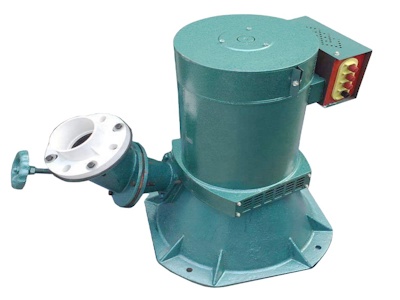
Водяные турбины — это устройства, преобразующие кинетическую и потенциальную энергию воды в механическую энергию, которая затем используется для генерации электричества. Они являются основным компонентом гидроэлектростанций, работающих по всему миру, от небольших микро-ГЭС до гигантских плотинных сооружений. Эффективность турбин напрямую влияет на общую производительность станции, что делает их обслуживание и защиту критически важными задачами.
Исторически турбины изготавливались из прочных материалов, таких как сталь и чугун, но даже эти материалы не могут полностью противостоять агрессивным условиям эксплуатации: высоким давлениям, переменным нагрузкам, абразивному воздействию частиц в воде и коррозии. Это приводит к постепенному износу, утечкам и снижению КПД, что в конечном итоге увеличивает затраты на ремонт и простои.
С развитием технологий появились инновационные решения, направленные на mitigation этих проблем. Одним из наиболее значимых advancements являются современные уплотнения, которые не только предотвращают утечки, но и enhance долговечность и performance турбин. Let's dive deeper into how these seals work and why they are game-changers.
Проблемы традиционных уплотнений
Традиционные уплотнения, такие как сальниковые набивки или механические уплотнения старого образца, часто не справляются с challenges, presented by modern hydroelectric operations. Они склонны к износу, require frequent maintenance, и могут lead to significant energy losses due to leakage. For example, в турбинах Francis или Kaplan, утечки воды через уплотнения вала могут reduce efficiency на 5-10%, что для крупной станции означает потери в миллионы рублей annually.
Кроме того, traditional seals are often made from materials like rubber or graphite, which degrade over time under high pressure and temperature fluctuations. This degradation not only causes leaks but also introduces contaminants into the system, potentially damaging other components like bearings or generators. The need for regular replacement adds to operational costs and downtime, making it a major pain point for plant operators.
Another issue is the environmental impact. Leaks can lead to water wastage and pollution, which is increasingly scrutinized under modern regulations. Therefore, finding a reliable sealing solution is not just about economics but also about sustainability and compliance.
Инновационные уплотнения: что это такое?
Инновационные уплотнения represent a leap forward in sealing technology. Они разработаны с использованием advanced materials such as composite polymers, ceramics, and specialized alloys that offer superior resistance to wear, corrosion, and extreme conditions. These seals are designed to be self-lubricating, low-friction, and capable of operating under high pressures and speeds without significant degradation.
Key types of innovative seals include:
- Гидродинамические уплотнения: Используют flow of water to create a sealing barrier, reducing direct contact and wear.
- Магнитные уплотнения: Employ magnetic forces to maintain seal integrity without physical contact, ideal for high-speed applications.
- Умные уплотнения с датчиками: Integrated with sensors to monitor condition in real-time, allowing predictive maintenance and reducing unexpected failures.
These technologies are often customized for specific turbine types, such as Pelton, Francis, or Kaplan turbines, ensuring optimal performance. For instance, in Kaplan turbines, which operate with variable blade angles, innovative seals can adapt to changing conditions, providing consistent protection.
The development of these seals involves extensive R&D, including computational fluid dynamics (CFD) simulations and material science advancements. This ensures that they not only seal effectively but also contribute to overall turbine efficiency by minimizing energy losses.
Преимущества инновационных уплотнений
Adopting innovative seals offers numerous benefits for hydroelectric plants:
- Повышенная надежность: Reduced failure rates mean fewer interruptions in power generation. For example, seals with longer lifespans can operate for years without replacement, compared to months for traditional ones.
- Улучшенная эффективность: By minimizing leaks, these seals help maintain optimal pressure and flow conditions, boosting turbine efficiency by up to 15% in some cases. This directly translates to higher energy output and revenue.
- Снижение затрат на обслуживание: With less frequent replacements and predictive maintenance capabilities, operational costs are significantly lowered. Studies show that plants using innovative seals report up to 30% savings in maintenance expenses.
- Экологическая устойчивость: Preventing leaks reduces water consumption and environmental impact, aligning with green energy goals and regulatory requirements.
- Безопасность: Enhanced seal integrity reduces the risk of accidents, such as water ingress into electrical components, improving overall plant safety.
Case studies from installations in Russia and abroad demonstrate these benefits. For instance, a hydro plant in Siberia upgraded to innovative seals and saw a 20% increase in annual energy production while cutting maintenance downtime by half.
Как выбрать правильные уплотнения
Selecting the right seals for a water turbine depends on several factors:
- Тип турбины: Different turbines have unique sealing requirements. For example, Francis turbines need seals that handle high radial loads, while Kaplan turbines require seals adaptable to axial movements.
- Условия эксплуатации: Consider water quality (e.g., presence of sediments), pressure ranges, temperature, and speed. Innovative seals can be tailored to specific conditions.
- Бюджет и ROI: While innovative seals may have higher upfront costs, their long-term benefits often justify the investment. Calculate the return on investment based on energy savings and reduced maintenance.
- Совместимость: Ensure that the seals are compatible with existing turbine designs to avoid costly modifications.
Consulting with experts and manufacturers is crucial. Many companies offer technical support and customization services to help plants make informed decisions.
Будущее уплотнений в гидроэнергетике
The future of turbine seals is bright, with ongoing innovations focused on smart technologies and sustainability. Trends include:
- Интеграция с IoT: Seals equipped with IoT sensors will enable real-time monitoring and AI-driven predictive maintenance, further reducing downtime.
- Биоразлагаемые материалы: Research into eco-friendly materials that reduce environmental impact without compromising performance.
- 3D-печать: Customized seals printed on-demand for specific applications, improving fit and efficiency.
As the hydroelectric industry evolves towards more efficient and sustainable practices, innovative seals will play a pivotal role in ensuring that water turbines remain reliable and productive for decades to come.
Заключение
Инновационные уплотнения revolutionized защиту водяных турбин, offering unparalleled reliability, efficiency, and cost savings. By embracing these technologies, hydroelectric plants can enhance their performance, reduce environmental impact, and secure a sustainable future. If you're involved in hydroenergy, consider upgrading to innovative seals – it's an investment that pays off in the long run.
For more information or to discuss custom solutions, contact our experts today. Together, we can harness the power of water with confidence and innovation.
Следующий пост: Тестирование производительности гидротурбин ключ к эффективной гидроэнергетике