

Тестирование производительности гидротурбин ключ к эффективной гидроэнергетике
Гидроэнергетика, как один из старейших и наиболее надежных источников возобновляемой энергии, играет критически важную роль в глобальной энергетической системе. С ее помощью можно генерировать электроэнергию без выбросов парниковых газов, что делает ее экологически чистой альтернативой ископаемым топливам. Однако эффективность гидроэнергетических установок во многом зависит от производительности их ключевых компонентов, особенно гидротурбин. Тестирование производительности гидротурбин является не просто технической процедурой, а фундаментальным элементом, определяющим общую эффективность и надежность гидроэнергетических систем. В этой статье мы подробно рассмотрим, почему тестирование производительности гидротурбин так важно, как оно проводится, с какими вызовами сталкивается отрасль, и какие инновации могут повысить эффективность гидроэнергетики в будущем.
Введение в гидроэнергетику и роль гидротурбин
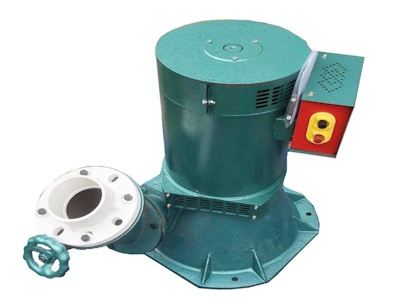
Гидроэнергетика основана на преобразовании кинетической и потенциальной энергии воды в электрическую энергию. Этот процесс осуществляется с помощью гидроэлектростанций (ГЭС), которые включают в себя плотины, водохранилища, турбины, генераторы и системы управления. Гидротурбины являются сердцем любой ГЭС, так как они непосредственно преобразуют энергию воды в механическую энергию, которая затем используется для вращения генераторов и производства электричества. Существуют различные типы гидротурбин, такие как реакцииные турбины (например, турбины Фрэнсиса или Каплана) и импульсные турбины (например, турбины Пелтона), каждая из которых оптимизирована для определенных условий напора и расхода воды.
Производительность гидротурбин измеряется такими параметрами, как КПД (коэффициент полезного действия), мощность, скорость вращения, и надежность. Высокий КПД означает, что турбина эффективно использует энергию воды, минимизируя потери. Это не только увеличивает выход электроэнергии, но и снижает эксплуатационные затраты и воздействие на окружающую среду. Однако достижение и поддержание высокой производительности требует регулярного тестирования и мониторинга. Без надлежащего тестирования турбины могут работать ниже своего потенциала, приводя к потерям энергии и увеличению износа оборудования.
В современном мире, где спрос на энергию постоянно растет, а климатические изменения требуют перехода к устойчивым источникам, эффективность гидроэнергетики становится как никогда важной. Тестирование производительности гидротурбин помогает обеспечить, что существующие и новые ГЭС работают на пике своих возможностей, внося вклад в стабильность энергосистемы и сокращение углеродного следа. В следующих разделах мы углубимся в детали тестирования, его методы, и то, как оно способствует общей эффективности гидроэнергетики.
Методы тестирования производительности гидротурбин
Тестирование производительности гидротурбин — это сложный процесс, который включает в себя ряд методов и технологий, направленных на оценку и оптимизацию работы турбин. Эти методы можно broadly разделить на лабораторные испытания, полевые измерения, и компьютерное моделирование. Каждый из них имеет свои преимущества и ограничения, и часто они используются в комбинации для получения наиболее точных результатов.
Лабораторные испытания
Лабораторные испытания проводятся на масштабных моделях турбин в контролируемых условиях. Это позволяет инженерам изучать поведение турбин под различными нагрузками и параметрами воды без риска для полноразмерных установок. Например, в гидродинамических лабораториях используются уменьшенные копии турбин, которые тестируются в специальных бассейнах или каналах. Измеряются такие параметры, как КПД, cavitation (кавитация — образование пузырьков пара, которое может повредить лопатки турбины), и вибрации. Эти испытания помогают оптимизировать конструкцию турбин перед их установкой на реальных ГЭС, снижая затраты на разработку и повышая надежность.
Одним из ключевых преимуществ лабораторных испытаний является возможность точно контролировать условия тестирования, такие как напор воды, расход, и температура. Это позволяет проводить повторяемые эксперименты и выявлять тонкие эффекты, которые might be missed in field tests. Однако лабораторные модели не всегда perfectly replicate the behavior of full-scale turbines due to scale effects, so results often need to be extrapolated using similitude laws, such as those based on Reynolds number or Froude number.
Полевые измерения
Полевые измерения проводятся непосредственно на эксплуатационных ГЭС и involve monitoring the performance of turbines in real-world conditions. This is crucial for assessing long-term reliability and efficiency. Common techniques include the use of flow meters to measure water discharge, pressure sensors to monitor head, and power meters to record electrical output. Additionally, advanced instruments like laser Doppler velocimetry or acoustic Doppler current profilers can be used to study flow patterns around the turbine blades.
Field testing provides the most accurate data on actual performance, as it accounts for all operational variables, such as seasonal changes in water flow, sediment load, and environmental factors. However, it can be challenging due to the need for minimal disruption to power generation. Often, tests are conducted during scheduled maintenance periods. Data collected from field tests is used to calibrate models, identify inefficiencies, and plan upgrades or repairs. For instance, if a turbine shows a drop in efficiency, field measurements can help pinpoint the cause, such as wear on blades or misalignment, allowing for targeted interventions.
Компьютерное моделирование
С развитием вычислительной техники, компьютерное моделирование стало indispensable tool for turbine performance testing. Computational Fluid Dynamics (CFD) simulations allow engineers to model the flow of water through a turbine in virtual environments, predicting performance parameters like efficiency, pressure distribution, and cavitation risk. CFD models can be used to test various design modifications without the cost and time associated with physical prototypes.
CFD simulations are highly flexible and can handle complex geometries and flow conditions. They are often validated with data from laboratory or field tests to ensure accuracy. For example, a CFD model might be used to optimize the shape of turbine blades for maximum efficiency, and then the results are verified through physical testing. This iterative process accelerates innovation and helps in designing turbines that are more efficient and durable. Moreover, machine learning algorithms are increasingly being integrated with CFD to predict performance trends and optimize operations in real-time.
In summary, the combination of laboratory tests, field measurements, and computer modeling provides a comprehensive approach to turbine performance testing. This multifaceted strategy ensures that turbines are designed, installed, and maintained to operate at peak efficiency, contributing to the overall effectiveness of hydropower systems.
Вызовы в тестировании производительности гидротурбин
Несмотря на advancements in testing technologies, the hydropower industry faces several challenges in accurately assessing and improving turbine performance. These challenges stem from technical, economic, and environmental factors, and addressing them is essential for maximizing the benefits of hydropower.
Технические сложности
One of the primary technical challenges is the complexity of flow dynamics in turbines. Water flow is highly turbulent and can vary significantly with changes in head and discharge. Accurately measuring parameters like flow rate and efficiency requires sophisticated instruments that are often expensive and difficult to install in harsh environments. For example, in high-head turbines, the pressure and velocity of water can cause instrument failure or inaccurate readings. Additionally, cavitation is a persistent issue that can lead to erosion and reduced lifespan of turbines. Detecting and mitigating cavitation through testing is tricky, as it involves predicting conditions where vapor bubbles form and collapse.
Another technical hurdle is the scale effect in modeling. While laboratory tests on scaled models are useful, translating results to full-scale turbines involves uncertainties. Similitude laws help, but they are not perfect, especially for non-linear phenomena like turbulence and cavitation. This means that field validation is always necessary, but it can be logistically challenging, particularly for remote or large-scale hydropower plants.
Экономические ограничения
Economic constraints also pose significant challenges to performance testing. High-quality testing equipment and skilled personnel are costly, and many hydropower operators, especially in developing regions, may lack the resources for comprehensive testing. This can lead to suboptimal performance and increased maintenance costs over time. Furthermore, testing often requires shutting down turbines, which results in lost revenue from power generation. Balancing the need for testing with operational demands is a constant struggle for plant managers.
Investing in advanced testing technologies, such as continuous monitoring systems, can mitigate some of these costs by allowing for real-time performance assessment without shutdowns. However, the initial investment can be prohibitive for smaller plants. Governments and international organizations can play a role by providing funding and technical support to promote widespread adoption of performance testing practices.
Экологические и regulatory considerations
Environmental factors add another layer of complexity. Hydropower plants must operate in harmony with ecosystems, and testing activities should minimize impacts on aquatic life and water quality. For instance, flow measurements might disturb fish habitats, and cavitation testing could generate noise that affects wildlife. Regulatory requirements vary by region and can impose strict guidelines on testing procedures, adding time and cost to projects.
Moreover, climate change is altering hydrological patterns, leading to more variable water flows. This makes performance testing even more critical, as turbines need to operate efficiently under a wider range of conditions. Adapting testing protocols to account for these changes is an ongoing challenge that requires collaboration between engineers, environmental scientists, and policymakers.
In conclusion, while challenges exist, they are not insurmountable. Through innovation, collaboration, and investment, the hydropower industry can overcome these obstacles and enhance the role of performance testing in achieving efficient and sustainable energy production.
Роль тестирования в повышении эффективности гидроэнергетики
Тестирование производительности гидротурбин is not an end in itself but a means to achieve higher overall efficiency in hydropower systems. By identifying inefficiencies and enabling improvements, testing contributes to increased energy output, reduced costs, and enhanced sustainability. This section explores how performance testing directly impacts the efficiency of hydropower.
Увеличение выработки электроэнергии
The most direct benefit of performance testing is the increase in electricity generation. By optimizing turbine efficiency, even small improvements can lead to significant gains in power output over time. For example, a 1% increase in efficiency for a large turbine can result in additional megawatts of electricity annually, which translates to higher revenue and better grid stability. Testing helps achieve this by fine-tuning operational parameters, such as blade angle or speed, to match specific flow conditions.
Moreover, performance testing allows for the implementation of best practices in turbine operation and maintenance. Regular monitoring can detect issues like fouling (accumulation of debris on blades) or wear before they cause major problems, ensuring that turbines operate close to their design efficiency. This proactive approach reduces downtime and extends the lifespan of equipment, further boosting overall energy production.
Снижение эксплуатационных затрат
Efficient turbines not only produce more power but also do so with lower operational costs. Testing helps minimize energy losses, which means less water is needed to generate the same amount of electricity. This is particularly important in regions with water scarcity, as it conserves valuable water resources. Additionally, by preventing failures and reducing maintenance needs, testing lowers repair costs and avoids expensive emergency shutdowns.
For instance, through performance testing, operators can schedule maintenance based on actual condition rather than fixed intervals, optimizing resource allocation. This condition-based maintenance approach is made possible by continuous monitoring systems that provide real-time data on turbine health. As a result, hydropower plants can operate more economically, making hydropower a more competitive energy source in the market.
Улучшение экологической устойчивости
Hydropower is often touted as a green energy source, but its environmental impact depends on how efficiently it is operated. Performance testing contributes to sustainability by ensuring that turbines use water resources optimally, reducing the need for additional infrastructure like dams or reservoirs. This minimizes habitat disruption and preserves ecosystems.
Furthermore, efficient turbines generate less heat and noise, which can benefit aquatic life. By testing and optimizing for minimal cavitation and vibration, operators can mitigate negative effects on fish and other organisms. In the context of climate change, efficient hydropower helps displace fossil fuel-based generation, reducing greenhouse gas emissions. Thus, performance testing aligns with global sustainability goals and supports the transition to a low-carbon economy.
In summary, performance testing is a cornerstone of efficient hydropower. It enables higher energy output, cost savings, and environmental benefits, making it an essential practice for the future of the industry.
Будущие тенденции и инновации в тестировании гидротурбин
The field of turbine performance testing is evolving rapidly, driven by technological advancements and the growing demand for renewable energy. Future trends promise to make testing more accurate, efficient, and integrated into overall plant management. Here, we explore some of the key innovations that are shaping the future of hydropower testing.
Использование искусственного интеллекта и больших данных
Artificial intelligence (AI) and big data analytics are revolutionizing performance testing by enabling predictive maintenance and real-time optimization. AI algorithms can analyze vast amounts of data from sensors to detect patterns and predict failures before they occur. For example, machine learning models can forecast efficiency drops based on historical data and environmental conditions, allowing operators to take preventive actions.
Big data platforms integrate information from multiple sources, such as weather forecasts, water flow data, and turbine performance metrics, to provide a holistic view of plant operations. This allows for dynamic adjustment of turbine settings to maximize efficiency under changing conditions. As these technologies become more accessible, they will reduce the reliance on manual testing and make performance optimization a continuous, automated process.
Развитие датчиков и IoT
Advancements in sensor technology and the Internet of Things (IoT) are making it easier to collect high-quality data in real-time. Miniaturized, wireless sensors can be deployed throughout a turbine to monitor parameters like pressure, temperature, and vibration without intrusive installations. IoT networks enable seamless data transmission to central systems for analysis, facilitating remote monitoring and control.
For instance, smart sensors embedded in turbine blades can provide detailed insights into flow patterns and wear, enabling precise adjustments. This reduces the need for costly shutdowns and physical inspections. As sensors become more affordable and durable, their widespread adoption will enhance the accuracy and frequency of performance testing, leading to better overall efficiency.
Интеграция с возобновляемыми energy systems
Hydropower is increasingly being integrated with other renewable energy sources, such as solar and wind, to create hybrid systems that provide stable power supply. Performance testing will play a crucial role in this integration by ensuring that turbines can respond quickly to fluctuations in energy demand and supply. For example, testing can optimize turbines for flexibility, allowing them to ramp up or down efficiently to balance intermittent renewables.
Additionally, innovations like variable-speed turbines and advanced control systems are being tested to improve compatibility with smart grids. These developments will require new testing protocols that account for dynamic interactions between different energy sources. By embracing these trends, the hydropower industry can enhance its relevance in the modern energy landscape.
In conclusion, the future of turbine performance testing is bright, with technologies like AI, IoT, and hybrid systems driving improvements. These innovations will make hydropower more efficient, reliable, and sustainable, solidifying its role as a key pillar of global energy security.
Заключение
В заключение, тестирование производительности гидротурбин является незаменимым инструментом для обеспечения эффективности и устойчивости гидроэнергетики. От лабораторных испытаний до полевых измерений и компьютерного моделирования, разнообразные методы тестирования позволяют оптимизировать работу турбин, увеличивать выработку электроэнергии, снижать затраты и минимизировать environmental impact. Несмотря на вызовы, такие как технические сложности и экономические ограничения, инновации в области AI, IoT и интеграции с другими возобновляемыми источниками энергии открывают новые возможности для совершенствования.
Гидроэнергетика остается vital component of the global energy mix, and its efficiency is paramount in the fight against climate change. By prioritizing performance testing, stakeholders can unlock the full potential of hydropower, contributing to a cleaner, more reliable energy future. As we move forward, continued investment in research, technology, and collaboration will be essential to overcome challenges and harness the benefits of efficient turbine performance. Ultimately, testing is not just about measuring numbers—it's about powering progress towards a sustainable world.
Следующий пост: Секреты кабелей генератора которые изменят вашу энергетику навсегда