

Повышение эффективности гидротурбин для устойчивого развития энергетики
В современном мире, где изменение климата и истощение ископаемых ресурсов становятся все более актуальными проблемами, устойчивое развитие энергетики выходит на первый план. Гидроэнергетика, как один из старейших и наиболее надежных источников возобновляемой энергии, играет ключевую роль в этом процессе. Однако для максимизации ее потенциала необходимо непрерывно повышать эффективность гидротурбин — сердце любой гидроэлектростанции. В этой статье мы подробно рассмотрим, как современные технологии и инновации способствуют улучшению эффективности гидротурбин, что в свою очередь поддерживает глобальные цели устойчивого развития. Мы обсудим ключевые аспекты, включая технические усовершенствования, экологические преимущества, экономические выгоды и будущие тенденции, предоставляя исчерпывающий обзор для профессионалов отрасли и заинтересованных лиц.
Введение в гидроэнергетику и ее значение
Гидроэнергетика существует уже более века и остается одним из наиболее эффективных способов генерации электроэнергии. Она использует кинетическую и потенциальную энергию воды, преобразуя ее в электрическую энергию через гидротурбины. По данным Международного энергетического агентства (МЭА), гидроэнергетика обеспечивает около 16% мирового производства электроэнергии, что делает ее вторым по величине источником возобновляемой энергии после ветровой. Это не только способствует снижению выбросов углекислого газа, но и обеспечивает стабильность энергоснабжения, особенно в регионах с обильными водными ресурсами.
Однако, несмотря на свои преимущества, гидроэнергетика сталкивается с вызовами, такими как старение инфраструктуры, environmental impact (например, влияние на ecosystems), и необходимость адаптации к изменяющимся климатическим условиям. Повышение эффективности гидротурбин является критическим шагом для преодоления этих вызовов и обеспечения того, чтобы гидроэнергетика оставалась краеугольным камнем устойчивой энергетики. Эффективность здесь относится к способности турбины преобразовывать максимальное количество энергии воды в электрическую энергию с минимальными потерями. Улучшение этого показателя может привести к значительной экономии ресурсов, снижению costs, и усилению конкурентоспособности по сравнению с другими источниками энергии.
В этой статье мы углубимся в детали того, как достичь такой эффективности. Мы начнем с обзора основ гидротурбин, затем перейдем к современным технологиям, обсудим environmental and economic аспекты, и завершим взглядом в будущее. Цель — предоставить readers with a comprehensive guide that not only informs but also inspires action towards a more sustainable energy future.
Основы гидротурбин: типы и принципы работы
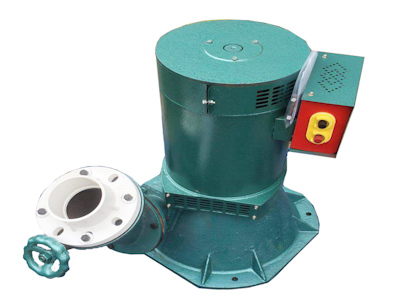
Гидротурбины являются central компонентом гидроэлектростанций, и их эффективность напрямую зависит от типа и design. Существует несколько основных types of гидротурбин, включая реактивные турбины (например, Francis турбины) и импульсные турбины (например, Pelton турбины). Каждый тип оптимизирован для specific conditions, таких как напор воды и flow rate. Например, Francis турбины commonly used for medium head applications, while Pelton турбины ideal for high head, low flow situations.
Принцип работы гидротурбин основан на законах fluid dynamics. Water under pressure or in motion strikes the blades of the turbine, causing it to rotate. This rotational energy is then transmitted to a generator, which produces electricity. КПД (коэффициент полезного действия) типичной гидротурбины может варьироваться от 80% to over 90%, depending on factors like design, maintenance, and operating conditions. Однако, даже small improvements in efficiency can lead to substantial gains in energy output. For instance, increasing efficiency by just 1% in a large hydro plant can generate additional electricity equivalent to powering thousands of homes annually.
To understand how to enhance efficiency, it's essential to consider key parameters such as hydraulic design, material selection, and control systems. Modern computational fluid dynamics (CFD) simulations allow engineers to optimize blade shapes and flow paths, reducing energy losses due to turbulence and friction. Additionally, advancements in materials science have led to the development of more durable and corrosion-resistant components, which prolong turbine life and maintain high performance over time. Regular maintenance and upgrades also play a crucial role; for example, replacing worn-out parts with improved designs can restore efficiency to near-original levels.
In summary, the fundamentals of hydro turbines highlight the importance of tailored design and continuous innovation. By leveraging these basics, we can move towards more efficient systems that support sustainable energy goals. The next sections will delve into specific strategies and technologies that are driving efficiency improvements today.
Современные технологии для повышения эффективности
В последние десятилетия, rapid advancements in technology have revolutionized the hydro turbine industry. One of the most significant developments is the integration of digitalization and IoT (Internet of Things). Smart turbines equipped with sensors can monitor performance in real-time, allowing for predictive maintenance and optimization. For example, sensors can detect vibrations, temperature changes, or flow variations, enabling operators to adjust parameters dynamically to maximize efficiency. This not only reduces downtime but also ensures that turbines operate at their peak performance under varying conditions.
Another key technology is the use of advanced materials. Traditional turbines often use steel or cast iron, but new composites and coatings can reduce weight, increase strength, and minimize erosion. For instance, polymer coatings or ceramic materials can protect blades from cavitation—a common issue where bubbles form and collapse, causing damage and efficiency loss. By addressing cavitation through better materials, turbines can maintain higher efficiency for longer periods.
Computational tools have also played a pivotal role. CFD software allows for precise modeling of water flow through turbines, identifying areas of inefficiency and guiding redesign efforts. coupled with artificial intelligence (AI), these tools can simulate countless scenarios to find optimal designs without the need for physical prototypes. This accelerates innovation and reduces costs associated with trial and error.
Additionally, energy storage integration is becoming increasingly important. Hydropower plants can be paired with pumped storage systems, where excess energy is used to pump water to a higher reservoir for later use. This not only balances grid demand but also enhances overall efficiency by ensuring that turbines are used when energy is most needed. Innovations in variable speed turbines allow for better adaptation to fluctuating water flows, further boosting efficiency.
These technologies are not just theoretical; they are being implemented globally. For example, in Norway, upgrades to existing hydro plants using digital twins have increased efficiency by up to 5%. Similarly, in China, new turbine designs have reduced energy losses by optimizing blade angles. The cumulative impact of these advancements is substantial, contributing to a more resilient and sustainable energy infrastructure.
Looking ahead, emerging technologies like additive manufacturing (3D printing) could enable custom turbine parts with complex geometries that were previously impossible to produce. This promises even greater efficiency gains in the future. By embracing these modern tools, the hydro industry can continue to evolve and meet the demands of a changing world.
Экологические преимущества и устойчивость
Повышение эффективности гидротурбин directly contributes to environmental sustainability. Hydropower is already a low-carbon energy source, but by making turbines more efficient, we can generate more electricity from the same amount of water, reducing the need for additional infrastructure and minimizing ecological footprints. For instance, efficient turbines require less water to produce the same power output, which is crucial in regions facing water scarcity. This aligns with the United Nations Sustainable Development Goals (SDGs), particularly Goal 7 (Affordable and Clean Energy) and Goal 13 (Climate Action).
Moreover, improved efficiency can mitigate negative environmental impacts associated with hydropower, such as habitat disruption and sedimentation. Modern turbine designs often include fish-friendly features, like advanced screens or bypass systems, that reduce mortality rates for aquatic life. By integrating these elements, hydro plants can operate in harmony with local ecosystems, enhancing biodiversity rather than harming it.
From a carbon perspective, hydropower has a significantly lower lifecycle emissions compared to fossil fuels. Efficient turbines amplify this advantage by maximizing energy output per unit of resource input. Studies show that a 10% increase in turbine efficiency can reduce carbon emissions equivalent to taking thousands of cars off the road annually. This makes hydropower a key player in global efforts to combat climate change.
Economic sustainability is also bolstered by efficiency gains. Lower operational costs due to reduced maintenance and higher energy yield make hydropower more competitive, attracting investments and supporting job creation in green industries. In developing countries, where energy access is limited, efficient hydro projects can provide reliable power without exacerbating environmental degradation.
In conclusion, the environmental benefits of efficient hydro turbines are multifaceted. They not only help preserve natural resources but also promote a cleaner, more sustainable energy future. As technology continues to advance, these benefits will only grow, solidifying hydropower's role in the global energy mix.
Экономические аспекты и рентабельность
Investing in hydro turbine efficiency is not just an environmental imperative; it is also economically sound. The initial costs of upgrading or installing new turbines can be high, but the long-term savings and revenue generation often justify the expenditure. For example, a more efficient turbine can produce additional electricity, leading to higher income from energy sales. In many cases, the payback period for efficiency improvements is less than 10 years, making it an attractive investment for utility companies and governments.
Operational costs are reduced through decreased maintenance needs. Efficient turbines experience less wear and tear, meaning fewer repairs and longer intervals between overhauls. This translates to lower labor costs and less downtime, which is critical for maintaining grid stability. Additionally, energy losses are minimized, so more of the input energy is converted into usable electricity, enhancing overall profitability.
Government incentives and policies play a significant role in promoting efficiency upgrades. Many countries offer subsidies, tax credits, or grants for renewable energy projects, including hydropower. For instance, the European Union's Green Deal encourages investments in clean energy technologies, providing financial support for modernizations that improve efficiency. By leveraging these programs, project developers can offset upfront costs and accelerate adoption.
Case studies illustrate the economic benefits vividly. In Canada, a hydro plant that upgraded its turbines saw a 15% increase in energy output, resulting in millions of dollars in additional annual revenue. Similarly, in India, small-scale hydro projects with efficient turbines have brought electricity to remote villages, stimulating local economies and improving quality of life.
However, challenges remain, such as high capital costs and regulatory hurdles. To address these, innovative financing models like public-private partnerships (PPPs) or energy performance contracts can be employed. These models allow risks and rewards to be shared, making projects more feasible.
In summary, the economics of hydro turbine efficiency are compelling. By focusing on ROI and long-term benefits, stakeholders can drive investments that not only boost profitability but also contribute to sustainable development. As global energy demands rise, efficient hydropower will be essential for ensuring affordable and reliable electricity.
Глобальные тенденции и будущее гидроэнергетики
The future of hydropower is bright, driven by global trends towards decarbonization and energy security. According to the International Hydropower Association, global hydropower capacity is expected to grow by over 20% by 2030, with much of this growth coming from efficiency improvements in existing plants rather than new constructions. This trend underscores the importance of retrofitting and modernizing older turbines to extract more value from current infrastructure.
Emerging markets, particularly in Asia and Africa, are investing heavily in hydropower to meet growing energy needs. Countries like China and Ethiopia are leading the way with large-scale projects that incorporate state-of-the-art efficient turbines. These efforts are supported by international collaborations and funding from organizations like the World Bank, which prioritize sustainable and efficient energy solutions.
Technological innovations will continue to shape the future. For example, the development of small modular turbines allows for decentralized hydropower generation, bringing electricity to off-grid areas efficiently. Additionally, integration with other renewables, such as solar and wind, through hybrid systems can enhance grid flexibility and reliability. Energy storage advancements, like advanced batteries, complement hydropower by storing excess energy for use during peak demand.
Climate change adaptation is another critical trend. As weather patterns become more unpredictable, efficient turbines that can operate under variable flow conditions will be essential. Research is focusing on adaptive designs that can handle floods droughts, and other extreme events without compromising performance.
Looking ahead, the role of hydropower in a sustainable energy future is undeniable. By continuing to innovate and improve efficiency, the industry can help achieve global climate targets while providing affordable energy. Stakeholders must collaborate across borders to share knowledge and best practices, ensuring that hydropower remains a cornerstone of the energy transition.
In conclusion, the journey towards more efficient hydro turbines is ongoing. With commitment and innovation, we can harness the full potential of water power for a greener tomorrow.
Заключение и призыв к действию
В этой статье мы explored the critical importance of повышение эффективности гидротурбин for sustainable energy development. From the basics of turbine operation to cutting-edge technologies and global trends, it is clear that efficiency improvements are not just beneficial but necessary. They enhance energy output, reduce environmental impacts, and provide economic advantages, making hydropower a vital component of the renewable energy landscape.
However, realizing these benefits requires action from all stakeholders—governments, industry leaders, researchers, and communities. We urge policymakers to create supportive frameworks that incentivize efficiency upgrades. Industry professionals should embrace innovation and invest in modern technologies. Researchers must continue to push the boundaries of what is possible through collaboration and experimentation.
As individuals, we can advocate for sustainable energy policies and support projects that prioritize efficiency. Together, we can ensure that hydropower continues to thrive, powering a sustainable future for generations to come. Let's seize this opportunity to make a difference—because every drop of water saved through efficiency is a step towards a cleaner, brighter world.
Спасибо за внимание, и давайте работать вместе для устойчивого развития энергетики!
Следующий пост: Перспективы автоматического регулирования частоты в современных генераторах