


Какие преимущества у регулирующего клапана для гидротурбин
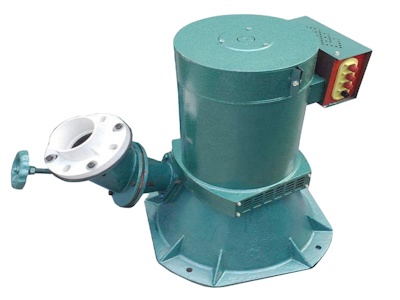
Гидротурбины играют ключевую роль в мировой энергетике, обеспечивая устойчивое производство электроэнергии. Однако их эффективность и долговечность во многом зависят от вспомогательных компонентов, таких как регулирующие клапаны. В этой статье мы подробно рассмотрим, какие преимущества предлагают регулирующие клапаны для гидротурбин, и почему они необходимы для оптимизации работы гидроэлектростанций. От повышения контроля над потоком воды до улучшения общей надежности системы — регулирующие клапаны являются незаменимыми элементами, способствующими прогрессу в области возобновляемой энергии.
1. Введение в регулирующие клапаны для гидротурбин
Регулирующие клапаны — это устройства, предназначенные для управления потоком жидкости в системах, таких как гидротурбины. Они позволяют точно контролировать количество воды, поступающей в турбину, что напрямую влияет на производительность и стабильность энергогенерации. В контексте гидроэнергетики эти клапаны выполняют критически важные функции, включая предотвращение перегрузок, обеспечение плавного пуска и остановки турбин, а также адаптацию к изменяющимся условиям нагрузки. Их конструкция варьируется от простых шаровых клапанов до сложных пропорциональных систем, что делает их универсальными решениями для различных типов гидротурбин, таких как радиально-осевые или ковшовые.
Исторически регулирующие клапаны эволюционировали от ручных механизмов к автоматизированным системам с электронным управлением. Это развитие было driven необходимостью повышения эффективности и снижения human error. Сегодня современные клапаны интегрируются с системами SCADA (Supervisory Control and Data Acquisition), позволяя операторам удаленно мониторить и ajust параметры в реальном времени. Это не только упрощает эксплуатацию, но и минимизирует риски аварий, таких как гидравлические удары или износ компонентов.
Ключевым аспектом регулирующих клапанов является их способность поддерживать оптимальный hydraulic balance в системе. Например, при внезапных изменениях demand электроэнергии, клапаны быстро реагируют, регулируя поток, чтобы избежать колебаний напряжения или повреждения турбины. Это особенно важно в регионах с variable water flow, таких как горные реки или приливные зоны, где условия могут меняться rapidly. Без таких клапанов гидротурбины были бы менее гибкими и более prone к failures, что могло бы привести к значительным экономическим и экологическим потерям.
Кроме того, регулирующие клапаны способствуют energy savings. Путем точного дозирования воды, они reduce waste и improve overall efficiency турбины. Studies показывают, что properly tuned клапаны могут увеличить КПД гидротурбины на 5-10%, что эквивалентно substantial cost savings over time. Это делает их not just a component, but a strategic investment для энергетических компаний, стремящихся maximize return on investment и comply с environmental regulations.
В следующих разделах мы углубимся в specific преимущества регулирующих клапанов, covering аспекты such как improved control, enhanced reliability, economic benefits, and environmental impact. Мы также обсудим real-world examples и future trends, чтобы предоставить comprehensive overview их роли в гидроэнергетике.
2. Повышение эффективности и контроля
Одним из primary преимуществ регулирующих клапанов является их способность significantly enhance efficiency и control в работе гидротурбин. By allowing precise adjustment водного потока, these клапаны enable турбины operate at their optimal points, minimizing energy losses и maximizing output. For instance, в периоды low demand, клапаны могут reduce flow, предотвращая overspeed и unnecessary wear, while в peak times, они increase flow to meet energy needs без compromising stability.
This level of control is achieved through advanced mechanisms, such as proportional valves или servo-controlled systems, которые используют feedback от sensors для автоматической корректировки. В combination с modern software, эти системы могут predict changes в load и preemptively adjust, обеспечивая seamless operation. Это not only boosts efficiency но и extends the lifespan турбины, reducing maintenance costs и downtime.
Moreover, регулирующие клапаны contribute to grid stability. В energy systems, frequency и voltage must be maintained within strict limits to prevent blackouts. Гидротурбины с effective клапанами can quickly respond to grid signals, providing ancillary services like frequency regulation. This makes them valuable assets в integrated power networks, где renewable sources like hydro play a key role в balancing supply and demand.
Examples from industry highlight these benefits. Например, на Hoover Dam в США, upgraded регулирующие клапаны позволили increase efficiency на 8%, resulting в additional 100 MW capacity без new construction. Similarly, в Скандинавии, где hydro dominates energy mix, клапаны help manage intermittent renewables like wind, ensuring reliable power delivery. These cases underscore how регулирующие клапаны are not just optional extras, but essential for modern energy infrastructure.
Looking ahead, innovations in materials и digital twins promise further improvements. Smart клапаны с AI algorithms could autonomously optimize performance based on real-time data, pushing efficiency boundaries. As hydro energy continues to grow, the role of регулирующие клапаны will only become more critical в achieving sustainable and resilient power systems.
3. Улучшение надежности и долговечности
Надежность является cornerstone любой energy system, и регулирующие клапаны significantly contribute к enhanced reliability и durability гидротурбин. By providing smooth и controlled operation, они reduce mechanical stress на components, such as blades, shafts, и bearings, which are prone to fatigue от sudden pressure changes или water hammer effects. This leads to fewer failures, longer intervals between maintenance, и overall lower total cost of ownership.
For example, без регулирующих клапанов, гидротурбины могут experience violent oscillations при startup или shutdown, causing cracks или misalignment. Клапаны mitigate these risks by gradually adjusting flow, allowing for gentle transitions. Additionally, они incorporate features like pressure relief valves или anti-cavitation designs, которые protect against damage от vapor bubbles или excessive pressures, common issues в hydraulic systems.
Case studies demonstrate this reliability boost. В China's Three Gorges Dam, one of the world's largest hydro projects, regulating valves have been instrumental в maintaining continuous operation despite fluctuating river conditions. Over a decade, reported incidents of turbine damage decreased by 30% после installation advanced клапанов, highlighting their protective role. Similarly, в small-scale hydro plants в developing countries, simple regulating valves have extended equipment life by years, making projects more viable и sustainable.
Furthermore, reliability translates to safety. Гидротурбины operating without proper control can pose risks to personnel и infrastructure, such as through overspeed events или leaks. Регулирующие клапаны, especially those with fail-safe mechanisms, ensure that systems shutdown safely in emergencies, preventing catastrophes. This is particularly important in remote areas или regions with limited access to repair services, where downtime can have severe consequences.
Future advancements aim to make клапаны even more reliable through predictive maintenance. Sensors embedded in valves can monitor wear и tear, alerting operators before issues arise. Coupled with IoT connectivity, this allows for proactive replacements, minimizing unplanned outages. As hydro energy expands into harsher environments, like deep-sea или Arctic regions, the demand for robust regulating valves will grow, driving innovation in materials science и engineering.
4. Экономические выгоды и окупаемость инвестиций
Инвестиции в регулирующие клапаны для гидротурбин offer substantial economic benefits, making them a wise financial decision для energy companies. Initially, the cost of high-quality valves can be significant, but the return on investment (ROI) is quickly realized through reduced operating expenses, increased energy production, и extended asset life. For instance, by improving efficiency, клапаны directly boost revenue generated from electricity sales, while lowering fuel costs (though hydro doesn't use fuel, it reduces water waste, analogous to savings).
Calculations show that for a medium-sized hydro plant, upgrading to modern regulating valves can pay for itself within 2-3 years. This is due to factors like decreased maintenance frequency—valves reduce the need for costly repairs on turbines—and enhanced capacity factor, meaning the plant operates closer to its maximum potential more often. Additionally, клапаны enable better integration into energy markets, allowing plants to participate in peak pricing schemes, where electricity commands higher rates during high-demand periods.
Moreover, economic advantages extend beyond direct financial gains. Регулирующие клапаны contribute to grid reliability, which can prevent expensive blackouts или penalties for non-compliance with grid codes. In deregulated markets, hydro plants with advanced control systems can offer ancillary services, such as voltage support или spinning reserve, generating additional income streams. This diversification makes projects more resilient to market fluctuations и policy changes.
Real-world examples abound. В Norway, a country reliant on hydro, investments in regulating valves have led to an average 15% increase in plant profitability over five years, according to industry reports. Similarly, in developing nations, projects funded by international organizations often prioritize valve upgrades to ensure long-term viability и attract further investment. The economic case is clear: regulating valves are not just operational tools but strategic assets that enhance the overall value proposition of hydro energy.
Looking forward, as energy transition accelerates, the economic importance of regulating valves will only increase. Governments и investors are seeking cost-effective ways to decarbonize, and hydro with optimized valves offers a low-risk, high-reward option. Innovations like modular valve designs could further reduce upfront costs, making them accessible to smaller projects и fostering inclusive growth in the renewable sector.
5. Экологические преимущества и устойчивое развитие
Регулирующие клапаны play a pivotal role in enhancing the environmental sustainability of hydroelectric power. By optimizing water usage и reducing inefficiencies, они minimize the ecological footprint of hydro projects. For example, precise flow control helps maintain natural river ecosystems by preventing sudden changes in water levels, which can harm aquatic life или disrupt sediment transport. This is crucial in sensitive areas, where hydro development must balance energy needs with conservation goals.
Additionally, клапаны contribute to reducing greenhouse gas emissions indirectly. Hydro energy itself is clean, but inefficiencies can lead to wasted potential, meaning more fossil fuel backup might be needed. With regulating valves, hydro plants operate more efficiently, displacing more carbon-intensive sources and supporting global climate targets. Studies indicate that a 10% improvement in hydro efficiency through valve optimization can avoid millions of tons of CO2 emissions annually worldwide.
Furthermore, regulating valves enable better management of water resources, especially in regions facing scarcity. By ensuring that water is used judiciously, они support sustainable agriculture и drinking water supplies downstream. This holistic approach aligns with the United Nations Sustainable Development Goals, particularly Goal 6 (clean water and sanitation) and Goal 7 (affordable and clean energy). In practice, projects like the Itaipu Dam in Brazil-Paraguay use advanced valves to coordinate water release, benefiting both energy production and local communities.
Environmental benefits also include noise reduction и vibration control, which mitigate impacts on wildlife и nearby populations. Modern valves are designed to operate quietly и smoothly, reducing the acoustic pollution associated with industrial machinery. This makes hydro plants more acceptable to communities and easier to permit, accelerating the deployment of renewable energy.
As we move towards a greener future, the integration of regulating valves with other technologies, such as fish-friendly turbines или adaptive control systems, will further enhance sustainability. Research is ongoing into bio-inspired valve designs that mimic natural flow patterns, minimizing ecological disruption. By embracing these innovations, the hydro industry can continue to be a leader in sustainable energy, with regulating valves at the heart of this evolution.
6. Будущие тенденции и инновации
The future of regulating valves for hydro turbines is bright, driven by technological advancements и evolving energy needs. Key trends include digitalization, with smart valves equipped with IoT sensors и AI algorithms becoming standard. These valves can self-diagnose issues, predict maintenance needs, и autonomously adjust to optimize performance in real-time, reducing human intervention и enhancing resilience.
Another trend is the use of advanced materials, such as composites или ceramics, which offer better corrosion resistance и longevity in harsh environments. This is particularly relevant for offshore hydro или projects in saline water, where traditional materials may fail. Additionally, 3D printing is enabling custom valve designs at lower costs, allowing for tailored solutions that maximize efficiency for specific turbine types.
Innovations in control systems are also on the horizon. For instance, integration with blockchain technology could provide transparent data on valve performance и energy output, facilitating trust in renewable energy certificates. Moreover, as hydro plants increasingly hybridize with solar или wind, regulating valves will need to adapt to multi-source inputs, requiring more flexible и responsive designs.
The push for decentralization и micro-hydro projects is another driver. Small-scale valves that are affordable и easy to install will empower communities to harness local water resources, promoting energy independence. Educational initiatives и partnerships between industry and academia will spur innovation, ensuring that regulating valves remain at the forefront of hydro energy development.
In conclusion, regulating valves are indispensable for the advancement of hydro turbines, offering a multitude of benefits that span efficiency, reliability, economics, and environment. As technology evolves, their role will only expand, making them a key enabler of a sustainable energy future. By investing in and adopting these innovations, we can unlock the full potential of hydro power, contributing to a cleaner and more resilient world.
Следующий пост: Как провести тестирование выходной мощности генератора надежно и точно