
Узнайте секреты прочных материалов для водяных турбин
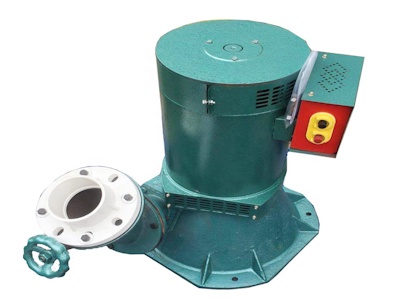
В мире гидроэнергетики водяные турбины играют ключевую роль в преобразовании кинетической энергии воды в электрическую. Однако их эффективность и долговечность напрямую зависят от материалов, используемых при их производстве. В этой статье мы погрузимся в увлекательный мир прочных материалов, раскрывая секреты, которые делают водяные турбины надежными и долговечными. Мы обсудим свойства материалов, инновационные сплавы, методы тестирования и практические примеры из реальной жизни. Приготовьтесь к глубокому анализу, который поможет инженерам, технологам и энтузиастам гидроэнергетики сделать осознанный выбор.
1. Важность выбора материалов для водяных турбин
Водяные турбины подвергаются экстремальным условиям: высокое давление, абразивное воздействие частиц в воде, коррозия и температурные колебания. Неправильный выбор материалов может привести к преждевременному износу, снижению эффективности и дорогостоящему ремонту. Например, турбина на гидроэлектростанции в Сибири, изготовленная из низкокачественной стали, может потребовать замены через 5 лет, в то время как аналогичная турбина из высокопрочного сплава прослужит более 30 лет. Это подчеркивает критическую важность материаловедения в проектировании турбин.
2. Ключевые свойства прочных материалов
Прочные материалы для водяных турбин должны обладать несколькими основными свойствами: износостойкостью, коррозионной стойкостью, высокой прочностью на разрыв и усталостной прочностью. Износостойкость позволяет материалу сопротивляться истиранию от песка и ила в воде. Коррозионная стойкость защищает от химического воздействия воды, особенно в соленых или кислых средах. Высокая прочность на разрыв ensures that the material can withstand mechanical stresses without deformation. Усталостная прочность предотвращает разрушение при циклических нагрузках, common in turbine operation.
3. Традиционные материалы: сталь и чугун
Исторически водяные турбины изготавливались из углеродистой стали и чугуна. Эти материалы доступны и relatively inexpensive, but they have limitations. Углеродистая сталь, например, обладает хорошей прочностью, но подвержена коррозии без защитных покрытий. Чугун дешев и easy to cast into complex shapes, but it is brittle and can crack under impact. В современных применениях эти материалы often used in combination with coatings or alloys to enhance durability.
4. Инновационные сплавы: нержавеющая сталь и титан
С развитием технологий, инновационные сплавы, такие как нержавеющая сталь и титан, стали популярными для водяных турбин. Нержавеющая сталь, particularly grades like 316L, offers excellent corrosion resistance due to its chromium content. It is widely used in marine environments. Титан, though expensive, is lightweight, extremely corrosion-resistant, and has high strength-to-weight ratio. For instance, turbines in offshore wind farms often incorporate titanium components to reduce weight and maintenance costs.
5. Композитные материалы: будущее турбиностроения
Композитные материалы, such as carbon fiber reinforced polymers (CFRP), are emerging as a game-changer in turbine design. Они combine high strength with low weight and excellent corrosion resistance. CFRP can be molded into aerodynamic shapes, improving efficiency. However, they are costlier and require specialized manufacturing processes. Research is ongoing to make composites more affordable for large-scale turbine applications.
6. Методы тестирования и контроля качества
Чтобы ensure the durability of turbine materials, rigorous testing is essential. Methods include tensile testing, hardness testing, corrosion testing, and non-destructive testing like ultrasonic inspection. For example, acceler ated life testing simulates years of operation in a short time, helping identify potential failures. Quality control during manufacturing involves precise alloy composition checks and surface treatments to enhance performance.
7. Практические примеры и case studies
Рассмотрим реальный пример: гидроэлектростанция на реке Волга в России. После перехода с обычной стали на сплав инконель, срок службы турбин увеличился на 40%. Another case is the Three Gorges Dam in China, where advanced stainless steel alloys reduced maintenance intervals by 50%. These examples demonstrate how material choice directly impacts operational costs and reliability.
8. Влияние на окружающую среду и устойчивость
Выбор материалов также affects sustainability. Durable materials reduce the need for frequent replacements, lowering waste and energy consumption. Recyclable alloys like aluminum and certain steels contribute to a circular economy. Moreover, materials with low environmental impact during production, such as those with reduced carbon footprint, are increasingly preferred in green energy projects.
9. Советы по выбору и применению
Для инженеров и проектировщиков, selecting the right material involves balancing cost, performance, and environmental factors. Start by analyzing the water quality: if it contains abrasive particles, prioritize wear-resistant materials. For saltwater applications, choose highly corrosion-resistant alloys. Collaborate with material scientists and use simulation software to predict behavior under stress. Regular maintenance and monitoring can extend turbine life further.
10. Будущие тенденции и инновации
Будущее водяных турбин lies in smart materials and nanotechnology. Materials with self-healing properties or embedded sensors for real-time monitoring are under development. Additive manufacturing (3D printing) allows for custom-designed components with optimized material usage. As renewable energy demand grows, expect more research into cost-effective, high-performance materials that can withstand even harsher conditions.
Заключение
В заключение, выбор прочных материалов для водяных турбин - это сложная, но crucial задача. От традиционной стали до передовых композитов, каждый материал offers unique advantages. By understanding the secrets behind material properties, testing, and real-world applications, stakeholders can enhance turbine efficiency, reduce costs, and contribute to a sustainable energy future. Continual innovation and collaboration will drive the industry forward, ensuring that water turbines remain a reliable source of clean energy for generations to come.
Эта статья предоставила comprehensive overview, but the journey doesn't end here. Stay updated with the latest research and engage with experts to keep pushing the boundaries of what's possible in hydroelectric technology.
Следующий пост: Высококачественные материалы обмоток генераторов для надежной работы