


Защита гидротурбин ключ к надежности энергосистем
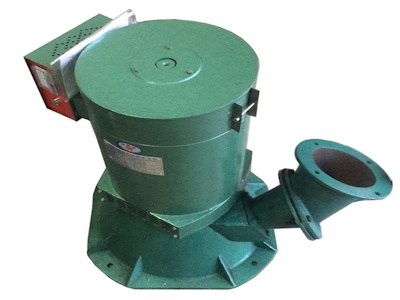
Гидроэнергетика играет ключевую роль в глобальном энергоснабжении, обеспечивая возобновляемую и надежную электроэнергию. Однако надежность энергосистем напрямую зависит от эффективной защиты гидротурбин – основных компонентов гидроэлектростанций. В этой статье мы рассмотрим важность защиты гидротурбин, современные методы и технологии, которые способствуют повышению надежности энергосистем, а также стратегии для минимизации рисков и сбоев.
1. Введение в гидроэнергетику и надежность энергосистем
Гидроэнергетика является одним из старейших и наиболее устойчивых источников энергии. Согласно данным Международного энергетического агентства (МЭА), гидроэлектростанции (ГЭС) производят около 16% мировой электроэнергии, что делает их вторым по величине источником возобновляемой энергии после ветровой. Надежность энергосистем – это способность обеспечивать бесперебойное электроснабжение при минимальных перебоях. Гидротурбины, как сердце ГЭС, требуют особого внимания, поскольку их отказ может привести к катастрофическим последствиям, включая отключения электроэнергии, экономические потери и даже экологические катастрофы. Например, инцидент на Саяно-Шушенской ГЭС в России в 2009 году, где разрушение турбины привело к гибели людей и значительным убыткам, подчеркивает критическую важность надежной защиты. Таким образом, инвестиции в защиту гидротурбин не только улучшают производительность, но и укрепляют общую устойчивость энергосистем.
2. Основные компоненты гидротурбин и их уязвимости
Гидротурбина состоит из нескольких ключевых компонентов, каждый из которых подвержен различным рискам. Основные части включают рабочее колесо, направляющий аппарат, подшипники, вал и систему управления. Рабочее колесо, которое преобразует кинетическую энергию воды в механическую, часто страдает от кавитации – явления, при котором образуются пузырьки пара, leading to erosion and material fatigue. Направляющий аппарат регулирует поток воды и может выйти из строя due to mechanical wear or corrosion. Подшипники и вал критичны для вращения, но подвержены overheating and misalignment, which can cause seizures or breaks. Additionally, электронные системы управления vulnerable to cyber attacks or software failures. Understanding these vulnerabilities is the first step toward effective protection. For instance, regular inspections using non-destructive testing methods like ultrasonic or magnetic particle inspection can detect early signs of damage, allowing for timely repairs and preventing catastrophic failures.
3. Современные технологии защиты гидротурбин
Современные advancements in technology have revolutionized the protection of hydroturbines. Key technologies include condition monitoring systems, which use sensors to continuously track parameters such as vibration, temperature, and pressure. For example, vibration analysis can detect imbalances or misalignments in real-time, enabling predictive maintenance rather than reactive repairs. Another innovation is the use of computational fluid dynamics (CFD) simulations to model water flow and identify potential cavitation zones, allowing for design improvements that minimize erosion. Additionally, cybersecurity measures are crucial for protecting control systems from hacking attempts. The integration of Internet of Things (IoT) devices and artificial intelligence (AI) allows for autonomous monitoring and decision-making. For instance, AI algorithms can analyze historical data to predict failure probabilities and recommend maintenance schedules. These technologies not only enhance reliability but also reduce operational costs by extending equipment lifespan and minimizing downtime.
4. Методы мониторинга и диагностики
Effective monitoring and diagnostics are essential for proactive protection of hydroturbines. Common methods include vibration monitoring, which uses accelerometers to measure oscillations and identify issues like bearing wear or rotor unbalance. Thermography is another technique that detects overheating in components such as bearings or electrical connections, preventing thermal runaway. Acoustic emission testing can capture sounds generated by cracks or leaks, providing early warnings of structural failures. Furthermore, oil analysis is used to check for contaminants or metal particles in lubricants, indicating internal wear. Remote monitoring via satellite or cloud-based platforms enables real-time data access from anywhere, facilitating quick responses to anomalies. For example, a case study from the Hoover Dam in the USA showed that implementing a comprehensive monitoring system reduced unplanned outages by 30% over five years. By combining these methods, operators can achieve a holistic view of turbine health and implement targeted maintenance strategies.
5. Техническое обслуживание и ремонт
Regular maintenance and repair are critical to sustaining hydroturbine reliability. Maintenance strategies can be categorized into preventive, predictive, and corrective maintenance. Preventive maintenance involves scheduled inspections and part replacements based on time or usage, such as annually overhauling bearings. Predictive maintenance, enabled by monitoring technologies, allows for interventions only when needed, reducing costs and minimizing disruptions. Corrective maintenance addresses failures after they occur but should be minimized through proactive measures. Best practices include keeping detailed maintenance logs, training staff on latest techniques, and using original spare parts to ensure compatibility. For instance, during outages, thorough inspections should be conducted to check for cracks, corrosion, or wear. Repair techniques like welding, machining, or coating applications can restore components to their original condition. Additionally, retrofitting older turbines with modern materials or designs can enhance durability. A well-executed maintenance plan not only prevents failures but also optimizes performance and efficiency.
6. Управление рисками и стратегии повышения надежности
Risk management is integral to protecting hydroturbines and ensuring grid reliability. This involves identifying potential hazards, assessing their impact, and implementing mitigation measures. Common risks include mechanical failures, natural disasters (e.g., floods or earthquakes), human errors, and cyber threats. Strategies for risk reduction include diversifying energy sources to reduce dependency on a single turbine, implementing redundancy in critical systems, and developing emergency response plans. For example, having backup turbines or energy storage can cushion the impact of a failure. Additionally, investing in training for operators improves decision-making during crises. Regulatory frameworks and standards, such as those from the International Electrotechnical Commission (IEC), provide guidelines for safe operation. By adopting a risk-based approach, energy companies can prioritize investments in protection measures that offer the highest return in terms of reliability and safety.
7. Экономические и экологические аспекты
The protection of hydroturbines has significant economic and environmental implications. Economically, failures can lead to massive costs from repairs, lost revenue due to downtime, and potential fines from regulators. For instance, the average cost of a major turbine failure can exceed millions of dollars, not including indirect impacts like reduced consumer confidence. Investing in protection technologies, while initially expensive, pays off through extended asset life and reduced operational expenses. Environmentally, hydroturbines are considered green energy sources, but failures can cause ecological damage, such as oil spills or changes in water flow affecting aquatic life. Proper protection minimizes these risks, supporting sustainability goals. Moreover, reliable hydro power reduces reliance on fossil fuels, contributing to lower carbon emissions. Thus, a balanced approach that considers both economic viability and environmental stewardship is essential for long-term success.
8. Будущие тенденции и инновации
The future of hydroturbine protection is shaped by emerging trends and innovations. One key trend is the adoption of digital twins – virtual replicas of physical turbines that simulate behavior under various conditions, allowing for testing and optimization without risks. Another innovation is the use of advanced materials, such as composites or nanomaterials, that offer better resistance to wear and corrosion. Energy storage integration, like pumped storage hydropower, can enhance grid stability by storing excess energy and releasing it during peaks. Furthermore, the rise of smart grids enables better coordination between hydro plants and other energy sources, improving overall system resilience. Research in AI and machine learning continues to advance predictive capabilities, potentially leading to fully autonomous turbines. These developments promise to make hydro energy even more reliable and efficient, solidifying its role in the global energy mix.
9. Заключение
В заключение, защита гидротурбин является фундаментальным элементом обеспечения надежности энергосистем. Путем внедрения современных технологий мониторинга, регулярного технического обслуживания и эффективного управления рисками, операторы могут значительно снизить вероятность сбоев и повысить устойчивость. Экономические и экологические выгоды подчеркивают важность этих усилий. По мере развития инноваций, гидроэнергетика будет продолжать играть vital role in meeting global energy demands sustainably. Investing in turbine protection is not just a technical necessity but a strategic imperative for a secure energy future.
Для дальнейшего чтения, обратитесь к ресурсам such as the International Hydropower Association or technical journals on energy engineering.