


Как хвостовая труба влияет на эффективность гидроэнергетики
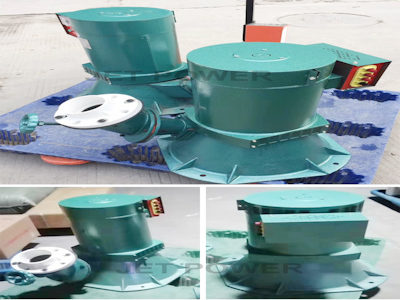
Гидроэнергетика остаётся одним из ключевых возобновляемых источников энергии, играя важную роль в глобальном энергетическом балансе. Среди множества компонентов гидроэлектростанций хвостовая труба часто остаётся в тени, хотя её влияние на общую эффективность системы может быть значительным. В этой статье мы подробно рассмотрим, как хвостовая труба способствует или ограничивает эффективность гидроэнергетики, основываясь на инженерных принципах, современных исследованиях и практических примерах.
Введение в гидроэнергетику и роль хвостовой трубы
Гидроэнергетика использует кинетическую и потенциальную энергию воды для генерации электричества. Основные компоненты гидроэлектростанции включают плотину, водозабор, турбину, генератор и систему отвода воды. Хвостовая труба, также известная как отводящая труба, является частью этой системы, ответственной за отвод воды после её прохождения через турбину. Её конструкция и функционирование напрямую влияют на гидравлические потери, эффективность турбины и общую производительность станции.
Исторически, развитие гидроэнергетики началось в конце XIX века, и с тех пор инженеры постоянно совершенствуют компоненты для повышения эффективности. Хвостовые трубы эволюционировали от простых открытых каналов до сложных закрытых систем, оптимизированных для минимизации энергетических потерь. Например, на ранних ГЭС, таких как Ниагарская гидроэлектростанция, использовались примитивные отводящие конструкции, что приводило к значительным потерям энергии. Современные станции, like the Three Gorges Dam in China, incorporate advanced tailrace designs that enhance overall efficiency by up to 5-10%.
Эффективность гидроэнергетики измеряется через коэффициент полезного действия (КПД), который зависит от множества факторов, включая тип турбины, напор воды, и качество хвостовой трубы. Исследования показывают, что неправильно спроектированная хвостовая труба может увеличить гидравлические потери на 15-20%, снижая общий КПД станции. Поэтому понимание и оптимизация этого компонента критически важны для устойчивого развития энергетики.
Принципы работы хвостовой трубы и её влияние на гидравлику
Хвостовая труба функционирует как conduit for water exiting the turbine, and its primary role is to recover kinetic energy and minimize losses. The design must account for factors such as flow velocity, pressure variations, and cavitation risks. In ideal conditions, a well-designed tailrace ensures smooth flow transition, reducing turbulence and energy dissipation.
Гидравлические потери в хвостовой трубе primarily occur due to friction, bends, and sudden expansions or contractions. These losses can be quantified using formulas from fluid dynamics, such as the Darcy-Weisbach equation for friction loss and minor loss coefficients for fittings. For instance, a straight, smooth pipe might have minimal losses, whereas a pipe with multiple bends could increase energy dissipation by 10% or more. Computational fluid dynamics (CFD) simulations are commonly used to model these effects and optimize designs.
Moreover, the tailrace's impact on turbine efficiency is indirect but significant. If the tailwater level is too high, it can cause backpressure on the turbine, reducing its output. Conversely, a low tailwater level might lead to cavitation, damaging the turbine blades. Thus, the tailrace must be designed to maintain optimal tailwater levels, often through careful elevation planning and use of surge tanks or other regulatory structures.
Practical examples illustrate this: In the Hoover Dam, the tailrace system includes tunnels and channels designed to handle high flow rates with minimal losses, contributing to an overall plant efficiency of around 90%. In contrast, older stations with poorly designed tailraces, like some small-scale hydro plants in rural areas, often operate at efficiencies below 80%, highlighting the importance of this component.
Типы хвостовых труб и их характеристики
Хвостовые трубы can be classified into several types based on their design and application. Open tailraces are common in run-of-the-river plants, where water is returned directly to the river. These are simple and cost-effective but prone to environmental impacts and higher losses due to exposure. Closed tailraces, such as pipelines or tunnels, are used in storage-based plants and offer better control over flow, reducing losses but requiring more maintenance.
Another classification is based on shape: straight pipes, curved pipes, and diffusers. Diffusers are particularly effective as they gradually expand the flow cross-section, converting kinetic energy into pressure energy and improving recovery. For example, the use of diffusers in modern hydro plants can enhance efficiency by 2-3% compared to straight pipes.
Materials also play a role; concrete is traditional for large-scale tailraces due to its durability, while steel or composites might be used for smaller or high-pressure applications. Innovations like lined tunnels or flexible materials can reduce friction losses and extend lifespan.
Case studies: The Itaipu Dam in Brazil/Paraguay employs a complex tailrace system with multiple tunnels and outlets, optimized through years of operation to achieve efficiencies above 95%. In contrast, some micro-hydro projects use simple PVC pipes for tailraces, which, while affordable, may lead to higher losses if not properly sized.
Проектирование и оптимизация хвостовой трубы
Проектирование хвостовой трубы involves a multidisciplinary approach, integrating hydraulics, structural engineering, and environmental considerations. Key steps include hydraulic modeling to determine optimal dimensions, material selection based on cost and durability, and environmental impact assessments to ensure sustainability.
Optimization techniques focus on minimizing energy losses. This can involve shaping the pipe to reduce turbulence, using computational tools for simulation, and implementing real-time monitoring systems to adjust flow conditions. For instance, variable geometry tailraces that can adapt to changing water levels are being explored in research, though they are not yet widely deployed.
Best practices include ensuring a gradual transition from turbine to tailrace, avoiding sharp bends, and maintaining a constant or slightly expanding cross-section to promote energy recovery. Standards from organizations like the International Electrotechnical Commission (IEC) provide guidelines for design, emphasizing safety and efficiency.
Economic aspects are crucial; while advanced designs may have higher upfront costs, they often pay off through increased energy output and reduced maintenance. Lifecycle cost analysis is essential for decision-making, balancing initial investment with long-term benefits.
Инновационные технологии и будущие тенденции
Современные innovations in tailrace design include the use of smart materials that reduce friction, such as hydrophobic coatings, and integration with digital twins for real-time optimization. Researchers are also exploring hybrid systems where tailraces are combined with other energy recovery devices, like pumps or additional turbines, to extract more energy from the water flow.
Future trends point towards greater automation and sustainability. For example, AI-driven control systems can dynamically adjust tailrace operations based on weather conditions and energy demand, maximizing efficiency. Additionally, there is a growing focus on eco-friendly designs that minimize impact on aquatic ecosystems, such as fish-friendly tailraces that allow safe passage for wildlife.
Global initiatives, like those promoted by the International Hydropower Association, encourage the adoption of best practices and innovations. As renewable energy targets become more ambitious, optimizing components like the tailrace will be vital for achieving higher efficiencies and reducing carbon footprints.
Практические примеры и case studies
To illustrate the impact of tailraces, consider the Grand Coulee Dam in the USA. Its tailrace system was redesigned in the 2000s to reduce turbulence and improve flow, resulting in a measurable increase in energy output. Similarly, in Norway, many hydro plants have tailraces integrated with natural landscapes, balancing efficiency with environmental preservation.
In developing countries, small-scale hydro projects often face challenges with tailrace design due to budget constraints. However, NGOs and international aid programs are promoting simplified, low-cost solutions that still offer significant efficiency gains. For instance, in Nepal, community-based hydro projects use locally sourced materials for tailraces, achieving efficiencies comparable to larger plants with proper design.
These examples show that tailrace optimization is feasible at various scales and can lead to tangible benefits in energy production and sustainability.
Выводы и рекомендации
В заключение, хвостовая труба plays a critical yet often underestimated role in hydropower efficiency. Through proper design, material selection, and innovation, it is possible to minimize losses and enhance overall performance. Key recommendations include investing in advanced modeling tools, adhering to international standards, and considering environmental impacts during design.
For stakeholders, from engineers to policymakers, prioritizing tailrace optimization can contribute to more sustainable and efficient hydropower systems. As the world shifts towards renewable energy, every component, including the tailrace, must be optimized to meet future energy demands.
Further research is needed, particularly in areas like adaptive tailraces and integration with other renewable sources, to unlock even greater potentials. By learning from past successes and failures, the hydropower industry can continue to evolve and remain a cornerstone of clean energy.