
Эффективность и надежность водяных турбин в энергетике
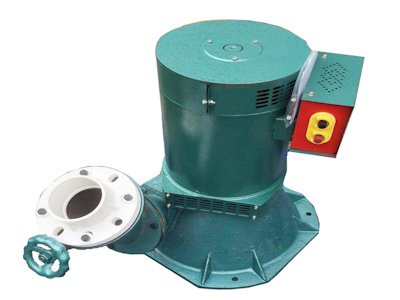
Водяные турбины долгое время были основой гидроэнергетики, но насколько они эффективны и надежны в современных условиях? С ростом спроса на возобновляемую энергию и вызовами изменения климата, возникает множество вопросов. Давайте углубимся в детали и поразмышляем о том, что делает эти машины столь важными, и какие проблемы они могут решить или создать.
Что такое водяные турбины и почему они так важны?
Водяные турбины — это устройства, преобразующие кинетическую энергию воды в механическую, а затем в электрическую энергию. Они используются в гидроэлектростанциях по всему миру, обеспечивая чистую и устойчивую энергию. Но какова их реальная эффективность? Согласно исследованиям, КПД современных турбин может достигать 90%, но это зависит от типа турбины и условий эксплуатации. Например, реактивные турбины, такие как турбины Фрэнсиса или Каплана, часто демонстрируют высокую эффективность при различных напорах воды. Однако, не все так просто: влияют ли факторы, такие как износ материалов или изменение водных потоков, на долгосрочную надежность?
Эффективность водяных турбин: Миф или реальность?
Эффективность водяных турбин измеряется их способностью преобразовывать энергию воды в полезную работу. Но насколько эта эффективность стабильна? В идеальных условиях, турбины могут работать десятилетиями, но реальность часто включает переменные, такие как сезонные изменения уровня воды или загрязнение. Например, в регионах с сильными наводнениями или засухами, эффективность может резко падать. Это поднимает вопрос: можно ли оптимизировать конструкции турбин для адаптации к changing climate conditions? Инновации, такие как smart турбины с датчиками IoT, уже внедряются, но достаточно ли этого для обеспечения высокой эффективности в долгосрочной перспективе?
Надежность водяных турбин: Выдержат ли они испытание временем?
Надежность — это способность турбины функционировать без сбоев в течение длительного периода. Водяные турбины известны своей долговечностью; некоторые из них работают более 50 лет. Однако, коррозия, эрозия и механический износ могут подорвать эту надежность. Как современные материалы, такие как композиты или нержавеющая сталь, улучшают ситуацию? Кроме того, регулярное техническое обслуживание играет ключевую роль. Но что, если ресурсы для обслуживания ограничены? Это заставляет задуматься: насколько надежны турбины в развивающихся странах, где инфраструктура может быть слабой?
Сравнение с другими источниками энергии: Где водяные турбины выигрывают или проигрывают?
По сравнению с солнечной или ветровой энергией, гидроэнергетика предлагает более стабильную подачу энергии, так как вода течет постоянно. Но это преимущество омрачено environmental concerns, such as impact on ecosystems and displacement of communities. Эффективность водяных турбин в terms of energy output per unit of resource is high, but is it sustainable in the long run? For instance, large dams can alter river flows, affecting biodiversity. This raises ethical questions: should we prioritize efficiency over ecological balance? Perhaps hybrid systems, combining hydro with other renewables, could offer a solution, but how feasible is this on a global scale?
Технологические инновации: Будущее водяных турбин
С развитием технологий, водяные турбины становятся умнее и эффективнее. Например, микро-гидротурбины для удаленных areas или турбины с регулируемыми лопастями для оптимизации efficiency under varying conditions. Но внедрение этих инноваций требует значительных инвестиций. How can we ensure that these advancements are accessible to all? Additionally, digital twins and predictive maintenance using AI are emerging trends that could enhance reliability. However, does this technology address core issues like material degradation or climate variability? It seems that while innovation holds promise, it also brings new challenges that need to be addressed.
Экономические аспекты: Стоит ли инвестировать в водяные турбины?
С точки зрения economics, гидроэнергетика often has high upfront costs but low operational expenses over time. The efficiency and reliability of water turbines contribute to this, but fluctuating energy prices and regulatory changes can impact profitability. For example, in regions with abundant water resources, hydro power can be highly cost-effective, but in arid areas, it may not be viable. This leads to the question: how do we balance economic benefits with environmental and social costs? Policies and subsidies play a role, but are they sufficient to promote sustainable deployment of water turbines?
Экологические соображения: Являются ли водяные турбины truly green?
While water turbines produce renewable energy, their environmental footprint is not negligible. The construction of dams can lead to habitat destruction and greenhouse gas emissions from submerged vegetation. Moreover, changes in water flow affect aquatic life. So, how can we mitigate these impacts? Advanced turbine designs that minimize fish mortality or systems that allow for natural flow regimes are being developed. But is it possible to achieve high efficiency without compromising environmental integrity? This dilemma highlights the need for a holistic approach to energy planning.
Социальные последствия: Как водяные турбины влияют на сообщества?
Гидроэнергетические проекты often involve resettlement of communities and changes in local livelihoods. While they provide electricity and economic opportunities, they can also lead to social conflicts. For instance, in many parts of the world, indigenous groups have opposed dam constructions. This raises important questions: how can we ensure that the benefits of water turbines are distributed equitably? Community engagement and fair compensation are crucial, but are they always implemented effectively? The reliability of these projects depends not only on technical factors but also on social acceptance.
Глобальные перспективы: Роль водяных турбин в мировой энергетике
Globally, hydro power accounts for about 16% of electricity generation, with countries like China, Brazil, and Canada leading the way. The efficiency and reliability of water turbines make them a cornerstone of renewable energy strategies. However, climate change poses threats, such as altered precipitation patterns affecting water availability. How will this impact the future of hydro power? Perhaps diversification into other renewables is necessary, but can water turbines adapt? International cooperation and knowledge sharing might hold the key to addressing these challenges.
Заключение: Водяные турбины — решение для устойчивого будущего?
В заключение, эффективность и надежность водяных турбин делают их invaluable in the energy sector, but they are not without flaws. Questions about environmental impact, social equity, and technological adaptability remain. As we move towards a greener future, it is essential to continue innovating and addressing these issues. Perhaps the true measure of success lies not just in efficiency metrics, but in how well we integrate these systems into a sustainable and just energy landscape. What do you think? Are water turbines the answer, or do we need to explore alternatives more vigorously?
Эта статья призвана stimulate discussion and reflection on the role of water turbines in modern energy systems. By asking these questions, we can better understand the complexities and work towards solutions that benefit both humanity and the planet.
Следующий пост: Эффективность генератора начинается со статорных обмоток