


Как оптимизировать расход воды в гидротурбинах для повышения эффективности
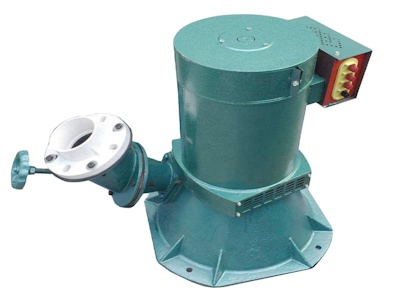
Гидроэнергетика играет ключевую роль в глобальной энергетической системе, обеспечивая возобновляемую и экологически чистую электроэнергию. Однако, несмотря на свои преимущества, гидротурбины часто сталкиваются с проблемами неэффективного использования водных ресурсов. Оптимизация расхода воды в гидротурбинах является критически важной задачей для повышения их общей эффективности, снижения эксплуатационных затрат и минимизации негативного воздействия на окружающую среду. В этой статье мы подробно рассмотрим различные аспекты этой проблемы, включая технические инновации, управленческие стратегии и будущие тенденции.
Введение в проблему оптимизации расхода воды
Гидротурбины преобразуют кинетическую и потенциальную энергию воды в механическую энергию, которая затем используется для генерации электроэнергии. Расход воды, измеряемый в кубических метрах в секунду (м³/с), напрямую влияет на производительность турбины. Неоптимальный расход может привести к снижению КПД, повышенному износу оборудования и увеличенным затратам на обслуживание. Кроме того, в условиях изменения климата и растущего дефицита водных ресурсов, эффективное управление водой становится не только экономической, но и экологической необходимостью.
Исторически, проектирование гидротурбин часто фокусировалось на максимальной мощности, а не на оптимизации расхода. Это привело к тому, что многие существующие установки работают ниже своего потенциала. Современные подходы, однако, emphasize the need for a holistic view that balances energy output with resource conservation. For example, in regions with seasonal variations in water availability, optimizing flow can help maintain stable energy production while preserving aquatic ecosystems.
В этой статье мы explore key strategies for flow optimization, including advanced control systems, turbine design improvements, and integrated water management. We will also discuss the role of digital technologies, such as IoT and AI, in enhancing real-time monitoring and decision-making. By the end, readers will have a comprehensive understanding of how to implement these measures in practice.
Основные факторы, влияющие на расход воды
Чтобы эффективно оптимизировать расход воды, необходимо понимать основные факторы, которые на него влияют. К ним относятся гидрологические условия, конструктивные особенности турбины, режим работы и внешние факторы, такие как климатические изменения.
Гидрологические условия, такие как уровень воды в водохранилище, скорость течения и сезонные колебания, играют решающую роль. Например, в периоды засухи расход воды может быть ограничен, что требует адаптации работы турбины для поддержания эффективности. Conversely, during flood seasons, excessive flow can lead to inefficiencies if not properly managed.
Конструктивные особенности турбины, включая тип (e.g., Kaplan, Francis, Pelton), размер и материалы, также significantly impact flow optimization. Modern turbines are designed with variable geometry blades or adjustable components that allow for better control over water flow. Additionally, the efficiency of the turbine's intake and outflow structures can affect how water is utilized.
Режим работы, such as the load demand on the power grid, influences flow rates. Turbines often operate at partial loads, which can reduce efficiency if not optimized. Advanced control systems can dynamically adjust flow based on real-time data, ensuring optimal performance across varying conditions.
Внешние факторы, включая изменения климата, regulations, and environmental considerations, add complexity to flow optimization. For instance, stricter environmental laws may require minimum flow rates to protect fish populations, necessitating a balance between energy production and ecological preservation.
Understanding these factors is the first step toward effective optimization. In the following sections, we will delve into specific techniques and technologies that address these challenges.
Технические методы оптимизации расхода
Технические инновации играют pivotal role in optimizing water flow in hydro turbines. These include improvements in turbine design, control systems, and ancillary equipment.
Одним из ключевых advancements является разработка turbines with adjustable blades or governors. For example, Kaplan turbines feature blades that can be rotated to match flow conditions, thereby maintaining high efficiency across a range of discharges. Similarly, electronic governors can fine-tune the turbine's speed and flow in response to load changes.
Another important technique is the use of computational fluid dynamics (CFD) simulations. CFD allows engineers to model water flow through the turbine and identify areas of inefficiency, such as cavitation or turbulence. By optimizing the shape of turbine components based on these simulations, manufacturers can design turbines that require less water for the same power output.
Additionally, the integration of smart sensors and IoT devices enables real-time monitoring of flow parameters. These sensors measure variables like pressure, velocity, and temperature, providing data that can be used to adjust flow rates instantly. For instance, if a sensor detects a drop in efficiency due to silt buildup, the system can initiate cleaning cycles or adjust flow to compensate.
Energy recovery systems, such as pump storage or hybrid setups, can also contribute to flow optimization. By storing excess energy during low-demand periods and releasing it during peaks, these systems help balance flow and improve overall efficiency.
Case studies from around the world demonstrate the effectiveness of these technical methods. In Norway, for example, retrofitting old turbines with modern control systems has increased efficiency by up to 10%, while in China, new turbine designs have reduced water consumption per kWh by 15%.
Implementing these technical solutions requires investment, but the long-term benefits in terms of energy savings and reduced environmental impact make it a worthwhile endeavor.
Управленческие и операционные стратегии
Beyond technical improvements, effective management and operational strategies are essential for optimizing water flow. This involves better planning, maintenance, and coordination with other water uses.
Одной из важных стратегий является внедрение integrated water resource management (IWRM). IWRM approaches consider the entire watershed, balancing the needs of energy production, agriculture, industry, and ecosystems. By coordinating releases from reservoirs, operators can ensure that water is allocated efficiently, minimizing waste and maximizing turbine performance.
Регулярное техническое обслуживание is another critical aspect. Sediment accumulation, wear and tear, and corrosion can all degrade turbine efficiency over time. Scheduled inspections and cleaning can prevent these issues, ensuring that flow paths remain unobstructed. Predictive maintenance, powered by AI algorithms, can forecast potential failures and schedule interventions before they impact performance.
Operational adjustments, such as varying the number of turbines in operation based on demand, can also optimize flow. During periods of low electricity demand, running fewer turbines at higher efficiency is better than running all turbines at partial load. This strategy reduces overall water consumption while maintaining reliability.
Кроме того, training for operators is vital. Skilled personnel can make informed decisions about flow adjustments based on real-time data. Simulation-based training programs can help operators practice scenarios and improve their response to changing conditions.
Collaboration with stakeholders, including environmental agencies and local communities, is also important. By engaging in dialogue, hydropower plants can develop flow regimes that meet energy goals while addressing ecological concerns, such as maintaining minimum flows for aquatic life.
These managerial strategies complement technical solutions, creating a comprehensive approach to flow optimization. In the next section, we will explore the role of digital technologies in enhancing these efforts.
Роль цифровых технологий в оптимизации
Цифровые технологии, такие как искусственный интеллект (AI), интернет вещей (IoT) и big data analytics, revolutionizing the way we optimize water flow in hydro turbines.
IoT devices, equipped with sensors, provide continuous data on flow rates, turbine performance, and environmental conditions. This data is transmitted to central systems where it can be analyzed in real time. For example, if a turbine's efficiency drops due to changing water levels, the system can automatically adjust the blade angles or flow rates to compensate.
AI and machine learning algorithms take this a step further by predicting optimal flow conditions based on historical data and current trends. These algorithms can identify patterns that humans might miss, such as subtle correlations between weather patterns and turbine performance. By learning from past operations, AI can suggest adjustments that maximize efficiency while minimizing water use.
Big data analytics allows for the aggregation and analysis of vast amounts of data from multiple sources, including meteorological forecasts, grid demand, and ecological monitoring. This holistic view enables more informed decision-making. For instance, analytics can help schedule turbine operations to coincide with periods of high water availability or low electricity prices, further optimizing resource use.
Digital twins—virtual replicas of physical turbines—are another innovative tool. By simulating different flow scenarios in a digital environment, operators can test strategies without risking actual equipment. This reduces downtime and allows for fine-tuning of operations before implementation.
Examples of digital technology in action include projects in Europe where AI-driven systems have increased turbine efficiency by 5-8%, and in North America, IoT-based monitoring has reduced water waste by 10% through better leak detection and flow control.
Embracing these technologies requires investment in infrastructure and skills, but the payoff in terms of efficiency gains and sustainability is substantial. As technology continues to evolve, we can expect even more sophisticated tools for flow optimization.
Экологические аспекты и устойчивое развитие
Оптимизация расхода воды в гидротурбинах не должна осуществляться в ущерб окружающей среде. Напротив, она должна способствовать устойчивому развитию, balancing energy production with ecological preservation.
Одной из major environmental concerns является impact on aquatic ecosystems. Changes in flow rates can affect fish migration, sediment transport, and water quality. To mitigate this, optimized flow regimes often include environmental flow requirements—minimum flows that must be maintained to support biodiversity. For example, in many jurisdictions, hydropower plants are required to release a certain amount of water downstream to ensure the health of rivers.
Кроме того, reducing water consumption through optimization directly contributes to water conservation. In water-scarce regions, this is particularly important. By using less water per unit of electricity generated, hydropower becomes more sustainable and less competitive with other water uses, such as agriculture and drinking water供应.
Climate change adds another layer of complexity. Altered precipitation patterns and increased evaporation can affect water availability, making optimization even more critical. Adaptive management strategies, which adjust flow based on climatic projections, can help hydropower plants remain resilient in the face of change.
Sustainable practices also involve minimizing the carbon footprint of hydropower operations. While hydropower is generally low-carbon, construction and maintenance activities emit greenhouse gases. Optimization can reduce the need for new infrastructure by maximizing the output of existing plants, thereby lowering overall emissions.
Engagement with local communities and environmental groups is key to developing accepted optimization strategies. Transparency in operations and willingness to adapt based on feedback can build trust and ensure that projects proceed smoothly.
In summary, environmental considerations are integral to flow optimization. By adopting a holistic approach, we can achieve energy goals while protecting natural resources for future generations.
Будущие тенденции и инновации
Будущее оптимизации расхода воды в гидротурбинах обещает exciting innovations driven by technology and evolving regulatory frameworks.
Одной из emerging trends является развитие more efficient turbine materials and designs. For instance, the use of composite materials can reduce weight and improve durability, allowing for better flow control. Additionally, 3D printing technology enables the creation of complex turbine components that were previously impossible to manufacture, leading to designs that minimize water usage.
Another trend is the integration of hydropower with other renewable energy sources, such as solar and wind. Hybrid systems can use excess renewable energy to pump water uphill for storage, then release it through turbines when needed. This not only optimizes flow but also enhances grid stability and reduces reliance on fossil fuels.
Advancements in energy storage, particularly batteries, will also impact flow optimization. By storing electricity directly, batteries can complement hydropower, allowing for more flexible flow management. For example, during periods of low demand, water can be conserved, and energy stored in batteries for later use.
Regulatory changes are likely to encourage greater efficiency. Governments around the world are implementing policies that reward low-water-use technologies and penalize waste. This will drive innovation and adoption of optimization techniques.
Furthermore, the rise of decentralized energy systems, such as micro-hydropower, presents opportunities for localized flow optimization. Small-scale turbines can be tailored to specific site conditions, achieving high efficiency with minimal environmental impact.
Research in areas like biomimicry—imitating natural systems—could lead to breakthroughs. For example, turbine designs inspired by fish fins might reduce turbulence and improve flow efficiency.
As we look to the future, collaboration between industry, academia, and policymakers will be essential to harness these trends and ensure that hydropower remains a cornerstone of sustainable energy.
Заключение
В заключение, оптимизация расхода воды в гидротурбинах является multifaceted challenge that requires a combination of technical, managerial, and technological approaches. By investing in modern turbine designs, advanced control systems, and digital tools, we can significantly improve efficiency and reduce water consumption. Moreover, integrating environmental considerations and adopting sustainable practices ensures that these improvements benefit both energy production and the planet.
The journey toward optimization is ongoing, with continuous innovations emerging. As hydropower continues to play a vital role in the global energy mix, efforts to optimize water flow will contribute to a more resilient and sustainable future. We encourage stakeholders to embrace these strategies and work together to maximize the potential of this valuable resource.
Thank you for reading, and we hope this article has provided valuable insights into how to optimize water flow in hydro turbines for enhanced efficiency.
Следующий пост: Революция в гидроэнергетике: инновационные направляющие аппараты турбин