
Водяные турбины революционный выбор материалов для долговечности
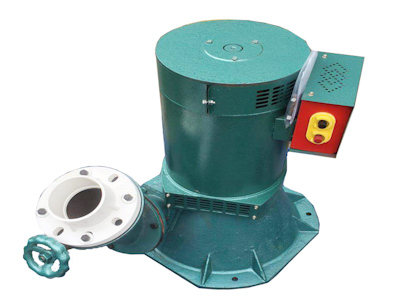
В современном мире, где устойчивое развитие и экологическая ответственность становятся ключевыми приоритетами, гидроэнергетика играет все более важную роль. Водяные турбины, как сердце гидроэлектростанций, требуют постоянного совершенствования для обеспечения долговечности, эффективности и надежности. В этой статье мы погрузимся в революционные материалы, которые трансформируют индустрию, делая турбины более прочными и устойчивыми к экстремальным условиям. От традиционных сталей до инновационных композитов – мы исследуем, как правильный выбор материалов может продлить срок службы турбин на десятилетия, снизить затраты на обслуживание и повысить общую производительность энергетических систем.
Гидроэнергетика является одним из старейших и наиболее надежных источников возобновляемой энергии. По данным Международного энергетического агентства, на нее приходится около 16% мирового производства электроэнергии, и этот показатель продолжает расти благодаря технологическим инновациям. Однако, эксплуатация водяных турбин сопряжена с уникальными вызовами: высокие скорости потока, абразивное воздействие частиц в воде, коррозия и кавитация – все это может привести к преждевременному износу и выходу из строя критических компонентов. Именно здесь на помощь приходят современные материалы, разработанные с использованием передовых технологий, таких как наноинженерия и композитные структуры.
В прошлом, турбины изготавливались преимущественно из углеродистой стали или чугуна, которые, хотя и были прочными, часто страдали от коррозии и требовали частого ремонта. Сегодня, инженеры обращаются к материалам like нержавеющая сталь с добавками хрома и никеля, которые значительно повышают устойчивость к коррозии. Например, марки стали such as 316L или Duplex стали демонстрируют exceptional performance в соленой воде или агрессивных средах, common в прибрежных гидроэлектростанциях. Но революция не остановилась на metal alloys; композитные материалы, such as углеродное волокно reinforced polymers, предлагают unparalleled прочность при минимальном весе, reducing инерционные нагрузки и improving динамический отклик турбин.
Одним из ключевых аспектов долговечности является борьба с кавитацией – явлением, при котором в жидкости образуются пузырьки, схлопывающиеся с огромной энергией и causing эрозию поверхности. Традиционные методы included использование покрытий или закалки, но современные решения involve материалы с высокой твердостью и ударной вязкостью, such as карбид вольфрама или керамические композиты. These materials can withstand миллионы циклов кавитации without significant degradation, thereby extending the lifespan of turbine blades and other components.
Furthermore, advancements in material science have led to the development of smart materials that can self-heal or adapt to changing conditions. For instance, shape memory alloys or polymers with embedded sensors can detect stress points and initiate repairs autonomously, reducing downtime and maintenance costs. This is particularly relevant for remote hydroelectric plants where access for repairs is limited and expensive.
Another revolutionary trend is the use of biodegradable or recyclable materials in turbine construction, aligning with global sustainability goals. While this is still in experimental stages, prototypes using bio-based composites show promise for reducing environmental impact over the entire lifecycle of the turbine, from manufacturing to decommissioning.
In addition to material innovations, design optimization plays a crucial role. Computational fluid dynamics (CFD) and finite element analysis (FEA) are employed to simulate material behavior under various loads, allowing engineers to select the best materials for specific applications. For example, in high-head turbines where pressures are extreme, materials with high yield strength and fatigue resistance are preferred, such as advanced titanium alloys or nickel-based superalloys.
The economic benefits of these material choices cannot be overstated. By increasing durability, turbines require less frequent replacements and repairs, leading to lower operational costs and higher return on investment. A study by the Hydro Research Foundation estimates that adopting advanced materials can reduce lifecycle costs by up to 30%, making hydroelectric projects more attractive to investors and governments.
However, challenges remain, such as the high initial cost of some advanced materials and the need for specialized manufacturing techniques. Education and training for engineers and technicians are essential to fully leverage these innovations. Collaborations between academia, industry, and government agencies are driving research and development, with initiatives like the European Union's Horizon 2020 program funding projects on next-generation turbine materials.
Looking ahead, the future of water turbine materials lies in further integration of digital technologies, such as additive manufacturing (3D printing), which allows for complex geometries and customized material properties. This could lead to turbines that are not only more durable but also more efficient and adaptable to varying water conditions.
In conclusion, the revolutionary choice of materials for water turbines is transforming the hydroelectric industry, offering unprecedented levels of durability and performance. From corrosion-resistant alloys to smart composites, these advancements ensure that turbines can operate reliably for decades, contributing to a sustainable energy future. As technology continues to evolve, we can expect even more innovative materials to emerge, further solidifying hydropower's role in the global energy mix.
This article has only scratched the surface of this fascinating topic. For those interested in deeper insights, we recommend exploring recent publications from organizations like the International Hydropower Association or attending conferences on renewable energy materials. The journey towards more durable turbines is ongoing, and with each breakthrough, we move closer to a world where clean energy is both efficient and enduring.
Remember, the key to success in hydropower is not just harnessing the power of water, but doing so with materials that stand the test of time. Invest in innovation, and your turbines will thank you with years of reliable service.
Следующий пост: Эффективное охлаждение генератора залог долговечности и надежности