

Водяные турбины будущее энергетики или пережиток прошлого
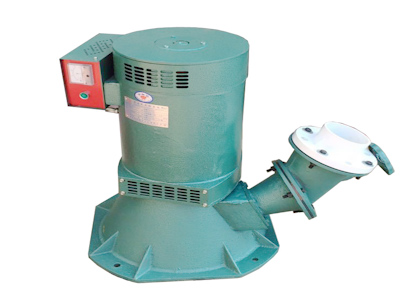
В современном мире, где вопросы энергетической безопасности и экологической устойчивости выходят на первый план, водяные турбины остаются одной из самых обсуждаемых технологий. С одной стороны, они представляют собой проверенное временем решение для генерации электроэнергии, с другой — сталкиваются с критикой из-за экологических и социальных последствий. В этой статье мы глубоко исследуем, являются ли водяные турбины ключевым элементом будущего энергетики или же они постепенно уходят в прошлое, уступая место более современным технологиям.
Исторический контекст: как водяные турбины изменили мир
Водяные турбины имеют богатую историю, восходящую к древним цивилизациям. Первые простые водяные колеса использовались для помола зерна и других механических задач еще в Древней Греции и Риме. Однако настоящий прорыв произошел в XIX веке с развитием гидротурбин, таких как турбина Фрэнсиса и позже турбина Каплана, которые значительно повысили эффективность преобразования энергии воды в электричество. Это позволило создать крупные гидроэлектростанции, такие как Hoover Dam в США или Братская ГЭС в России, которые стали символами индустриального прогресса. В XX веке гидроэнергетика стала основой энергосистем многих стран, обеспечивая стабильное и относительно дешевое электричество. Например, в Норвегии гидроэнергетика покрывает почти 100% потребностей в электроэнергии, демонстрируя её потенциал. Однако с ростом осознания экологических проблем, таких как нарушение речных экосистем и переселение населения из зон затопления, начались дебаты о целесообразности дальнейшего развития этой технологии.
Современное состояние гидроэнергетики: данные и тенденции
Сегодня гидроэнергетика остается крупнейшим источником возобновляемой энергии в мире. По данным Международного энергетического агентства (МЭА), на её долю приходится около 16%全球发电量, и она обеспечивает более 70% всей возобновляемой электроэнергии. Китай, Бразилия, США и Россия являются лидерами по установленной мощности ГЭС. Например, китайская ГЭС «Три ущелья» — крупнейшая в мире — имеет мощность 22,5 ГВт и играет crucial role в снижении выбросов CO2. Тем не менее, рост гидроэнергетики замедляется из-за высокой стоимости строительства новых объектов и increasing environmental regulations. В развитых странах, таких как США и Европа, focus shifted на модернизацию существующих ГЭС и развитие малой гидроэнергетики, которая less invasive для окружающей среды. Одновременно, развивающиеся страны, like those in Africa and Southeast Asia, continue to invest in large-scale projects to meet growing energy demands, but often face opposition from environmental groups and local communities.
Экологические аспекты: преимущества и недостатки
Гидроэнергетика предлагает significant environmental benefits compared to fossil fuels. It produces minimal greenhouse gas emissions during operation, contributes to energy independence, and can help regulate water flow for irrigation and flood control. For instance, the Itaipu Dam in Brazil and Paraguay reduces CO2 emissions by millions of tons annually. However, the environmental costs are substantial. The construction of dams leads to habitat destruction, loss of biodiversity, and changes in river ecosystems. The Three Gorges Dam in China, for example, caused the displacement of over 1.3 million people and altered the Yangtze River's ecology. Additionally, reservoirs behind dams can emit methane—a potent greenhouse gas—from decomposing organic matter, though this is less significant than emissions from coal plants. To mitigate these issues, modern projects incorporate fish passages, sediment management systems, and environmental impact assessments. Innovations like run-of-the-river turbines, which minimize reservoir size, are gaining popularity as a more sustainable alternative.
Технологические инновации: как водяные турбины evolved
Технологический прогресс dramatically improved the efficiency and environmental friendliness of water turbines. Traditional Francis and Kaplan turbines have been optimized for higher efficiency, often exceeding 90%. New designs, such as bulb turbines and pump-storage systems, allow for better integration with variable renewable sources like solar and wind. For example, pump-storage hydropower acts as a giant battery, storing excess energy and releasing it during peak demand. Digitalization and IoT sensors enable real-time monitoring of turbine performance, predictive maintenance, and reduced downtime. In recent years, small-scale and micro-hydropower systems have emerged, suitable for remote areas without grid access. These systems use advanced materials like composites and ceramics to reduce weight and increase durability. Research is also underway on tidal and wave energy turbines, which harness ocean currents—a promising frontier for hydropower. However, high costs and technical challenges remain barriers to widespread adoption of these innovations.
Экономические соображения: стоимость и рентабельность
С экономической точки зрения, гидроэнергетика offers low operating costs and long lifespan—dams can operate for 50-100 years with proper maintenance. The levelized cost of electricity (LCOE) for hydropower is competitive, often ranging from $0.02 to $0.19 per kWh, depending on the project scale and location. This makes it attractive for base-load power generation. However, the initial capital investment is high due to construction costs, which can exceed billions of dollars for large dams. Financing such projects requires government support or international loans, as seen with the Grand Ethiopian Renaissance Dam. Additionally, climate change poses risks, such as altered precipitation patterns affecting water availability, which could impact profitability. In contrast, solar and wind energy have seen dramatic cost reductions, making them strong competitors. Yet, hydropower's ability to provide grid stability and storage gives it an economic edge in many regions. Policies like carbon pricing and subsidies for renewables could further influence its economic viability.
Социальные и политические аспекты: вызовы и возможности
Развитие гидроэнергетики often involves complex social and political dynamics. Large dams can lead to displacement of communities, loss of cultural heritage, and conflicts over water rights. The Narmada Dam project in India, for instance, sparked widespread protests due to its social impact. On the positive side, hydropower projects create jobs during construction and operation, and can provide electricity to underserved areas, boosting local economies. International cooperation, such as cross-border projects like the Mekong River Commission, helps manage shared water resources but can also lead to tensions, as seen between upstream and downstream countries. Governments play a key role through regulations and incentives; for example, the European Union's Renewable Energy Directive promotes hydropower with sustainability criteria. Public acceptance is crucial, and involving stakeholders in planning processes can mitigate opposition. In the future, adaptive management and community engagement will be essential for socially responsible hydropower development.
Сравнение с другими возобновляемыми источниками энергии
При сравнении гидроэнергетики с другими возобновляемыми источниками, такими как solar and wind, each has distinct advantages and limitations. Hydropower provides reliable, dispatchable power, unlike intermittent solar and wind, which depend on weather conditions. This makes hydropower ideal for base-load and peak shaving. However, solar and wind have lower environmental impacts during construction and can be deployed more quickly and flexibly. The cost of solar PV has plummeted by over 80% in the past decade, making it highly competitive. Energy storage technologies, like batteries, are improving to address intermittency, but they are not yet as cost-effective as pump-storage hydropower for large-scale storage. Geothermal and biomass energy offer alternatives but are limited by geographical constraints. Ultimately, a diversified energy mix that includes hydropower, along with solar, wind, and other renewables, is likely the most sustainable path forward. Hybrid systems, such as solar-hydro hybrids, are emerging to leverage the strengths of each technology.
Будущее водяных турбин: инновации и сценарии
Будущее гидроэнергетики will be shaped by innovation and global energy trends. Advancements in turbine design, such as fish-friendly turbines and modular systems, could reduce environmental impacts. Digital twins and AI optimization will enhance efficiency and predictive maintenance. The integration of hydropower with other renewables through smart grids will improve overall system resilience. Climate change adaptation will be critical; for example, retrofitting existing dams for changed flow regimes. In developing regions, small-scale hydropower could provide decentralized energy access, supporting UN Sustainable Development Goals. However, the growth of large dams may slow due to environmental concerns, with focus shifting to upgrading existing infrastructure. Scenarios from organizations like the IEA suggest that hydropower capacity could grow by 10-15% by 2040, but its share in the global energy mix might decline as solar and wind expand rapidly. Ultimately, water turbines are not a relic but an evolving technology that, with responsible management, can contribute to a sustainable energy future.
Заключение: водяные турбины — мост к устойчивому будущему
В заключение, водяные турбины не являются ни pure future nor a mere relic of the past. Они represent a critical component of the energy transition, offering reliable, low-carbon power that complements other renewables. While environmental and social challenges must be addressed through innovation and careful planning, hydropower's ability to provide storage and grid stability makes it invaluable. As the world moves towards decarbonization, embracing a balanced approach that includes modernized hydropower, alongside solar, wind, and energy efficiency, will be key. Water turbines, with their rich history and potential for advancement, can indeed be a bridge to a sustainable energy future—if we learn from past mistakes and innovate responsibly.
This article has explored the multifaceted role of water turbines in energy systems, highlighting that their future depends on how we integrate them into a broader, greener energy landscape. Whether they become a cornerstone of future energy or fade into obsolescence will be determined by technological progress, policy decisions, and societal values.
Следующий пост: Как правильно провести короткое замыкание генератора