


Как работает направляющий аппарат гидротурбины в гидроэлектростанциях
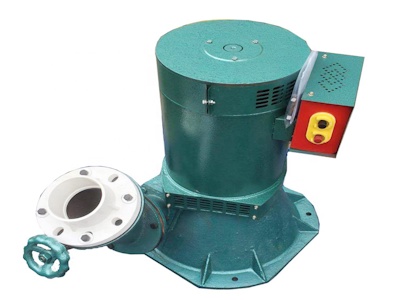
Гидроэлектростанции, как ключевой элемент мировой энергетической системы, играют незаменимую роль в обеспечении человечества чистой и возобновляемой энергией. В сердце каждой такой станции находится гидротурбина — сложное инженерное устройство, предназначенное для преобразования кинетической и потенциальной энергии воды в механическую энергию вращения. Однако, мало кто задумывается о том, что эффективность этого процесса во многом зависит от скромного, но критически важного компонента — направляющего аппарата. Именно этот элемент, часто оставаясь в тени более известных частей турбины, обеспечивает оптимальное управление потоком воды, максимизируя КПД всей системы. В данной статье мы подробно разберем, как работает направляющий аппарат гидротурбины, его конструкцию, функции, а также обсудим его значение в контексте современных вызовов энергетики и экологии.
Введение в гидроэнергетику и роль направляющего аппарата
Гидроэнергетика — это одна из старейших и наиболее развитых форм возобновляемой энергии, использующая силу воды для генерации электричества. С древних времен человечество использовало водяные колеса для помола зерна или приведения в действие механизмов, но с развитием технологий в XIX и XX веках появились современные гидротурбины, способные производить огромные объемы энергии. По данным Международного энергетического агентства, гидроэнергетика обеспечивает около 16% мирового производства электроэнергии, уступая лишь ископаемым видам топлива, но превосходя другие возобновляемые источники, такие как солнечная и ветровая энергия. Это делает ее незаменимой в борьбе с изменением климата и переходе к устойчивому развитию.
В основе работы гидроэлектростанции лежит простой, но эффективный принцип: вода, накопленная в водохранилище или текущая в реке, обладает потенциальной энергией due to its height (напора) и кинетической энергией due to its movement. Эта энергия преобразуется в механическую энергию вращения турбины, которая, в свою очередь, приводит в действие генератор, производящий электричество. Ключевым элементом в этом процессе является гидротурбина, состоящая из нескольких основных частей: рабочего колеса (ротора), который непосредственно вращается под воздействием воды; статора, обеспечивающего структурную поддержку; и направляющего аппарата, который управляет потоком воды перед ее входом на рабочее колесо.
Направляющий аппарат, часто называемый направляющим устройством или аппаратом регулирования, выполняет несколько критически важных функций. Во-первых, он направляет поток воды на рабочие лопатки турбины под оптимальным углом, что максимизирует эффективность преобразования энергии. Во-вторых, он позволяет регулировать количество воды, поступающей на турбину, в зависимости от нагрузки на электростанцию и изменений в потоке воды. Это особенно важно для поддержания стабильности энергосистемы и адаптации к сезонным колебаниям, таким как паводки или засухи. Без направляющего аппарата турбина работала бы менее эффективно, с повышенными потерями энергии и риском повреждения из-за неконтролируемого потока.
Исторически, направляющие аппараты эволюционировали от простых заслонок в早期 гидротурбинах до сложных систем с подвижными лопатками, управляемыми автоматизированными системами контроля. Например, в реактивных турбинах типа Франсиса или Каплана, направляющий аппарат состоит из ряда регулируемых лопаток, которые могут менять свое положение to alter the flow characteristics. This innovation has allowed hydroelectric plants to achieve efficiencies of over 90%, making them one of the most efficient energy conversion systems available. Moreover, the ability to quickly adjust the flow enables hydro stations to provide grid stability services, such as frequency regulation and peak load shaving, which are essential in modern power networks with high penetration of intermittent renewables like solar and wind.
В контексте глобальных энергетических вызовов, таких as decarbonization and energy security, гидроэнергетика и ее компоненты, включая направляющий аппарат, приобретают renewed importance. Однако, они также сталкиваются с criticism regarding environmental impacts, such as habitat disruption and sedimentation. Поэтому, understanding how the guide apparatus works not only highlights engineering marvels but also underscores the need for sustainable practices in hydro development. В последующих разделах мы углубимся в детали конструкции, принципы работы, и современные тенденции, связанные с этим vital component.
Конструкция и типы направляющих аппаратов
Направляющий аппарат гидротурбины — это sophisticated assembly designed to precisely control the water flow entering the turbine runner. Его конструкция varies depending on the type of turbine, but generally, it consists of several key elements: stationary and movable parts that work together to guide and regulate the flow. Наиболее распространенные типы турбин, такие как Francis, Kaplan, и Pelton, имеют distinct guide apparatus designs tailored to their specific operational principles.
В реактивных турбинах, like the Francis turbine, which is widely used in medium-head applications, направляющий аппарат typically comprises a set of adjustable guide vanes arranged in a circular pattern around the runner. These vanes are mounted on a mechanism that allows them to rotate about their axes, changing the angle at which water is directed onto the runner blades. The vanes are made from durable materials such as stainless steel or cast iron to withstand high hydraulic pressures and abrasive particles in the water. The adjustment mechanism is often hydraulically or electrically actuated, enabling precise control through a governor system that responds to changes in power demand. For instance, in a large hydro plant, the guide vanes might be adjusted multiple times per minute to maintain constant speed and output, showcasing the dynamic nature of this component.
В пропеллерных турбинах, such as the Kaplan turbine, used for low-head applications, направляющий аппарат is similar but often integrated with the runner blades, which are also adjustable. This allows for dual regulation: both the guide vanes and the runner blades can be moved to optimize efficiency across a wide range of flows. The Kaplan turbine's guide apparatus typically includes pre-swirl vanes that impart a rotational component to the water before it hits the runner, enhancing energy extraction. Materials and design focus on minimizing cavitation—a phenomenon where vapor bubbles form and collapse, causing erosion—which is a common challenge in hydro turbines.
В импульсных турбинах, like the Pelton wheel, used for high-head applications, направляющий аппарат is simpler but equally important. It consists of a nozzle or a set of nozzles that accelerate water into a high-velocity jet directed at the runner buckets. Here, the guide function is achieved by adjusting the needle valve within the nozzle, which controls the flow rate and shape of the jet. This design allows for quick response to load changes, as the needle can be moved rapidly to vary the water flow. Despite its simplicity, the nozzle apparatus must be precision-engineered to avoid energy losses and ensure even distribution of force on the runner.
Помимо этих основных типов, существуют specialized guide apparatuses for other turbine designs, such as cross-flow or tubular turbines, each optimized for specific site conditions. The choice of guide apparatus depends on factors like head height, flow rate, and operational requirements. For example, in pumped-storage hydro plants, which act as giant batteries by pumping water uphill during off-peak hours and generating power during peak demand, the guide apparatus must handle bidirectional flow, adding complexity to its design.
Материалы, используемые в конструкциях направляющих аппаратов, continuously evolve to improve durability and efficiency. Modern advancements include the use of composite materials, coatings to reduce friction and wear, and computational fluid dynamics (CFD) simulations to optimize vane shapes for minimal energy loss. Additionally, automation and smart control systems have transformed guide apparatus operation, with sensors and algorithms enabling real-time adjustments based on water quality, sediment load, and grid conditions. This not only boosts efficiency but also extends the lifespan of the turbine by reducing mechanical stress.
В исторической перспективе, развитие направляющих аппаратов mirrors the overall progress in hydro technology. Early turbines had fixed guide vanes or simple gates, leading to inefficiencies and limited control. The invention of adjustable guide vanes in the late 19th century, attributed to engineers like James B. Francis, revolutionized hydroelectric power by allowing variable operation. Today, with the push for renewable energy, research focuses on making guide apparatuses more adaptive and environmentally friendly, such as by designing them to minimize fish injury in areas with aquatic life.
In summary, the construction of guide apparatuses is a blend of mechanical engineering, hydraulics, and materials science, tailored to the specific turbine type and application. Its evolution highlights the ingenuity behind hydroelectric power and sets the stage for discussing how it actually functions in the next section.
Принцип работы направляющего аппарата
Принцип работы направляющего аппарата гидротурбины основывается на фундаментальных законах гидродинамики и механики, specifically the conservation of energy and momentum. Его primary role is to convert the pressure energy of water into kinetic energy in a controlled manner, directing it onto the turbine runner for efficient energy extraction. This process involves several stages: inflow regulation, flow guidance, and energy optimization, all achieved through the movement and positioning of the guide vanes or nozzles.
Когда вода поступает из напорного трубопровода или directly from the penstock, она имеет high pressure but relatively low velocity. Направляющий аппарат acts as a converging passage that accelerates the water by reducing the flow area, thereby increasing its velocity according to Bernoulli's principle. This acceleration is crucial because the kinetic energy of water is what ultimately spins the runner. The guide vanes are angled to impart a swirl or tangential component to the flow, which aligns with the rotation of the runner blades, maximizing the transfer of momentum. In turbines like Francis, this pre-rotation reduces shock losses and ensures smooth engagement with the runner.
Регулирование потока is another critical function. By adjusting the angle of the guide vanes or the opening of the nozzle, the guide apparatus controls the volume of water entering the turbine. This is done in response to changes in electrical load: if demand increases, the guide vanes open wider to allow more water flow, increasing power output; conversely, if demand decreases, they close to reduce flow and prevent overspeed. This regulation is typically managed by a governor system that monitors turbine speed and grid frequency, sending signals to actuators that move the vanes. For example, in a hydro plant connected to a variable grid, the guide apparatus might make micro-adjustments every second to maintain stability, demonstrating its dynamic role.
Энергетические потери в направляющем аппарате are a key consideration. Friction, turbulence, and incorrect vane angles can lead to inefficiencies. Modern designs aim to minimize these losses through aerodynamic shaping of vanes, smooth surfaces, and optimal spacing. Computational models are used to simulate flow patterns and identify areas for improvement. Additionally, in low-head turbines, the guide apparatus must handle varying water levels and sediment, which can affect performance. Adaptive control systems can adjust vane positions in real-time based on sensor data, such as pressure and flow measurements, to maintain peak efficiency.
В случае импульсных турбин, принцип работы slightly differs. The nozzle guide apparatus accelerates water into a high-velocity jet, and the needle valve controls the jet's diameter and flow rate. The kinetic energy of the jet is then transferred to the runner buckets without significant pressure change. Here, the guide function is more about focusing the jet precisely to avoid splashing and energy loss. Response times are very fast, making Pelton turbines ideal for applications requiring rapid load changes.
Практический пример: на крупной ГЭС, такой как Саяно-Шушенская в России, направляющий аппарат турбин Francis работает в coordination with other systems. During normal operation, the guide vanes are set to an optimal angle based on water head and flow conditions. If a sudden load drop occurs, say due to a grid fault, the guide apparatus quickly closes to prevent the turbine from overspeeding, which could cause mechanical damage. This is achieved through hydraulic servomotors that move the vanes within seconds. The efficiency of this process is vital for plant safety and reliability.
Инновации в работе направляющих аппаратов include the integration of digital twins and IoT sensors. These technologies allow for predictive maintenance by monitoring vane wear and performance deviations. For instance, vibrations or unusual flow patterns detected by sensors can trigger adjustments or alerts for inspection, reducing downtime and repair costs. Furthermore, in efforts to make hydro power more environmentally sustainable, guide apparatuses are being designed with fish-friendly features, such as smoother vane edges or bypass systems to reduce injury to aquatic organisms.
Таким образом, принцип работы направляющего аппарата is a delicate balance of physics and engineering, ensuring that water energy is harnessed efficiently and responsively. Its ability to adapt to changing conditions makes it a cornerstone of hydroelectric generation, paving the way for discussions on its importance and future developments.
Значение направляющего аппарата в гидроэнергетике
Значение направляющего аппарата в гидроэнергетике невозможно переоценить, так как он directly impacts the efficiency, reliability, and flexibility of power generation. Без него, гидротурбины would operate suboptimally, with higher energy losses, reduced lifespan, and limited ability to respond to grid demands. Его роль extends beyond mere flow control to encompass economic, environmental, and technical aspects that are crucial for the sustainability of hydroelectric projects.
С точки зрения эффективности, направляющий аппарат is a major contributor to the overall efficiency of a hydro turbine, which can exceed 90% in modern designs. By optimizing the angle and velocity of water flow, it minimizes hydraulic losses such as eddy currents and friction. Studies have shown that improper guide vane settings can reduce efficiency by up to 5-10%, which translates to significant energy waste over time, especially in large plants generating gigawatts of power. For example, on an annual basis, a 1% improvement in guide apparatus efficiency at a major hydro station could save enough electricity to power thousands of homes, highlighting its economic importance through reduced operational costs and increased revenue.
В аспекте надежности, направляющий аппарат helps protect the turbine from damage caused by irregular flows, such as water hammer or cavitation. By regulating flow, it prevents sudden pressure surges that could stress mechanical components. Additionally, its ability to quickly adjust during load rejections or grid disturbances enhances the stability of the power plant. This is particularly vital in regions where hydro power provides baseload or peaking capacity, as any failure could lead to blackouts or equipment downtime. Maintenance of the guide apparatus, including regular inspections and repairs, is therefore a key part of plant management to ensure long-term operation.
Гибкость и адаптивность направляющего аппарата make hydroelectric plants valuable assets in modern energy systems. With the rise of intermittent renewables like solar and wind, hydro stations can use their guide apparatus to rapidly adjust output, providing ancillary services such as frequency regulation and voltage support. This grid-balancing role is increasingly important for integrating renewables and maintaining energy security. In pumped-storage plants, the guide apparatus must handle reverse flow, further demonstrating its versatility. This adaptability allows hydro to serve as a reliable backup during periods of low renewable generation, contributing to a resilient energy mix.
Экологические аспекты также heavily influenced by the guide apparatus. Traditionally, hydro projects have faced criticism for impacts on rivers and ecosystems, such as altering flow regimes affecting fish migration. However, advanced guide apparatus designs can mitigate these issues. For instance, fish-friendly turbines incorporate guide vanes that reduce shear forces and pressure changes, lowering mortality rates for aquatic life. Moreover, by enabling efficient operation at lower flows, the guide apparatus helps maintain minimum environmental flows in rivers, supporting biodiversity. This aligns with global sustainability goals and regulatory requirements, making hydro power more acceptable to communities and policymakers.
В глобальном контексте, направляющий аппарат plays a part in climate change mitigation. Hydroelectricity is a low-carbon energy source, and its efficiency gains directly reduce greenhouse gas emissions compared to fossil fuels. By improving guide apparatus technology, we can enhance the carbon footprint of existing and new hydro plants. For example, retrofitting old turbines with modern guide vanes can boost output without new construction, leveraging existing infrastructure for greater environmental benefit. International collaborations, such as those under the Paris Agreement, often include hydro efficiency improvements as a strategy for decarbonization.
Технические инновации continue to elevate the significance of the guide apparatus. Digitalization, with smart sensors and AI-driven control systems, allows for real-time optimization based on data analytics. This not only improves performance but also enables predictive maintenance, reducing operational risks and costs. Furthermore, research into new materials and designs, such as 3D-printed vanes or biomimetic shapes, promises even greater efficiencies and durability. These advancements ensure that hydro power remains competitive in the evolving energy landscape.
In conclusion, the guide apparatus is not just a mechanical part but a linchpin of hydroelectric success, influencing efficiency, reliability, grid integration, and environmental stewardship. Its continued evolution will be essential for maximizing the potential of hydro energy in the quest for a sustainable future.
Современные тенденции и будущее направляющих аппаратов
Современные тенденции в разработке и использовании направляющих аппаратов отражают broader shifts in energy technology towards digitalization, sustainability, and efficiency. Инновации в этой области driven by the need to adapt to changing energy markets, environmental regulations, and technological advancements. Будущее направляющих аппаратов looks promising, with ongoing research focused on enhancing performance, reducing impacts, and integrating with smart grids.
Одной из ключевых тенденций является digitalization and IoT integration. Современные направляющие аппараты оснащаются датчиками для мониторинга в реальном времени параметров such as pressure, flow rate, vane position, and vibration. These data are fed into control systems that use machine learning algorithms to optimize operation automatically. For example, AI can predict optimal vane settings based on historical data and current conditions, improving efficiency by 1-2% without human intervention. This not only boosts energy output but also reduces wear and tear, extending equipment life. Digital twins—virtual replicas of the guide apparatus—allow engineers to simulate scenarios and test changes before implementation, minimizing risks and downtime.
Устойчивость и экологичность become increasingly important. With growing awareness of hydro power's environmental footprint, there is a push to design guide apparatuses that are fish-friendly and minimize ecosystem disruption. Innovations include smoother vane profiles, adjustable openings to reduce pressure gradients, and incorporation of bypass channels for aquatic species. Additionally, materials used in guide vanes are being selected for low environmental impact, such as recyclable metals or composites. These efforts help hydro projects gain social license and comply with strict regulations, ensuring their long-term viability.
Повышение эффективности remains a central goal. Research in computational fluid dynamics (CFD) leads to better vane designs that reduce turbulence and energy losses. For instance, optimized airfoil shapes for guide vanes can cut hydraulic losses by up to 15%, as demonstrated in recent pilot projects. Moreover, additive manufacturing (3D printing) allows for complex geometries that were previously impossible, enabling custom solutions for specific sites. These advancements make hydro power more cost-effective, especially in retrofitting older plants where space and constraints are limited.
Интеграция с возобновляемыми источниками энергии is another trend. As grids incorporate more solar and wind, hydro plants with advanced guide apparatuses provide essential balancing services. Future developments may include hybrid systems where guide apparatus control is coordinated with other renewables via smart grid protocols. For example, during sunny periods, hydro output might be reduced by adjusting guide vanes, storing water for later use when solar generation drops. This enhances overall system reliability and maximizes the use of renewable resources.
Глобальные вызовы, such as climate change and water scarcity, influence guide apparatus design. In regions with variable water availability, adaptive guide systems can operate efficiently at low flows, ensuring power generation even during droughts. Climate resilience features, such as corrosion-resistant materials for changing water chemistry, are being incorporated. Furthermore, international standards and certifications, like those from the International Hydropower Association, promote best practices in guide apparatus design to ensure sustainability and safety.
В образовании и сотрудничестве, there is a growing emphasis on knowledge sharing. Universities and research institutions collaborate with industry to develop next-generation guide technologies. For instance, joint projects between engineering firms and environmental groups aim to create turbines that are both high-performing and eco-friendly. This multidisciplinary approach ensures that future guide apparatuses meet technical, economic, and ecological needs.
В заключение, будущее направляющих аппаратов яркое, с innovations that will make hydro power more adaptive, efficient, and sustainable. By embracing digital tools, environmental considerations, and advanced materials, the hydro industry can continue to play a vital role in the global energy transition, with the guide apparatus at its heart.
Заключение
В заключение, направляющий аппарат гидротурбины является незаменимым компонентом гидроэлектростанций, обеспечивающим эффективное преобразование энергии воды в electricity. Его sophisticated design and dynamic operation enable high efficiency, reliability, and grid stability, making hydro power a cornerstone of renewable energy. Through continuous innovation, such as digitalization and eco-friendly designs, the guide apparatus is evolving to meet modern challenges, supporting a sustainable energy future. Understanding its workings underscores the importance of engineering excellence in harnessing natural resources responsibly.