
Восстановление энергии гидротурбинами для эффективного использования ресурсов
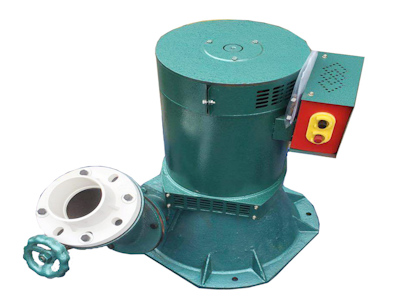
В современном мире, где вопросы устойчивого развития и экологической ответственности выходят на первый план, использование возобновляемых источников энергии становится не просто трендом, а необходимостью. Одним из наиболее эффективных и проверенных временем методов является гидроэнергетика, а именно применение гидротурбин для восстановления и преобразования энергии воды в электричество. Эта технология не только помогает снизить зависимость от ископаемых топлив, но и способствует рациональному использованию природных ресурсов, минимизируя негативное воздействие на окружающую среду. В данной статье мы подробно рассмотрим, как гидротурбины могут стать ключом к энергетической независимости и устойчивому будущему, а также почему инвестиции в эту область выгодны как для бизнеса, так и для общества в целом.
1. Введение в гидроэнергетику и ее значение
Гидроэнергетика – это отрасль энергетики, основанная на использовании кинетической и потенциальной энергии воды для генерации электричества. Этот метод известен человечеству уже более века и продолжает развиваться благодаря инновациям в технологии гидротурбин. Гидротурбины – это устройства, которые преобразуют энергию движущейся воды в механическую энергию, которая затем может быть использована для выработки электроэнергии через генераторы. Этот процесс не только эффективен, но и экологически чист, поскольку не производит выбросов парниковых газов в атмосферу, в отличие от традиционных тепловых электростанций.
Значение гидроэнергетики невозможно переоценить. По данным Международного энергетического агентства (МЭА), гидроэнергия составляет около 16% мирового производства электроэнергии и является крупнейшим источником возобновляемой энергии. Это делает ее критически важной для глобальных усилий по борьбе с изменением климата и переходу к низкоуглеродной экономике. Кроме того, гидроэлектростанции (ГЭС) часто обладают высокой надежностью и могут работать в базовом режиме, обеспечивая стабильное энергоснабжение даже в периоды пиковых нагрузок.
Однако, несмотря на свои преимущества, гидроэнергетика сталкивается с вызовами, такими как высокая первоначальная стоимость строительства, потенциальное воздействие на местные экосистемы и необходимость в сложной инфраструктуре. Тем не менее, современные технологии, включая малые и микро-ГЭС, а также системы восстановления энергии на существующих водных объектах, позволяют mitigate эти проблемы и сделать гидроэнергетику более доступной и устойчивой.
2. Принципы работы гидротурбин и их типы
Гидротурбины работают на основе фундаментальных физических принципов, связанных с преобразованием энергии воды. Когда вода течет под действием гравитации или напора, она обладает кинетической энергией, которая может быть захвачена и преобразована. Основные типы гидротурбин включают реактивные турбины (например, турбины Франсиса и Каплана) и активные турбины (например, турбины Пелтона). Каждый тип оптимален для определенных условий, таких как высота напора и расход воды.
Реактивные турбины, такие как турбина Франсиса, commonly used на средних напорах и средних расходах. Они эффективны в ситуациях, где вода поступает под давлением, и широко применяются на крупных ГЭС. Турбина Каплана, с другой стороны, идеальна для низких напоров и высоких расходов, что делает ее популярной на речных электростанциях. Активные турбины, like the Пелтона, designed для высоких напоров и низких расходов, often used в горных регионах.
Современные инновации в дизайне гидротурбин focus на повышении эффективности и снижении environmental impact. Например, разработка рыб友好的х турбин reduces вред для aquatic life, while advanced materials and digital controls allow for better optimization of energy production. Additionally, the integration of energy recovery systems in existing infrastructure, such as water treatment plants or irrigation canals, enables the harnessing of otherwise wasted energy, further enhancing resource efficiency.
3. Преимущества использования гидротурбин для восстановления энергии
Использование гидротурбин для восстановления энергии offers numerous benefits that extend beyond mere electricity generation. Firstly, it promotes energy independence by utilizing a domestic and renewable resource—water. This reduces reliance on imported fossil fuels, which are subject to price volatility and geopolitical risks. For countries with abundant water resources, hydropower can be a cornerstone of national energy security.
Secondly, hydropower is highly efficient. Modern hydro turbines can achieve efficiency rates of over 90%, meaning that almost all the energy from flowing water is converted into electricity. This is significantly higher than many other renewable sources, such as solar or wind, which are intermittent and have lower efficiency rates. Moreover, hydroelectric plants have long lifespans—often 50 years or more—with low operational costs once installed, making them economically attractive in the long run.
Environmentally, hydropower is a clean energy source that produces minimal greenhouse gas emissions. While the construction of large dams can have ecological impacts, advances in technology have led to the development of run-of-the-river systems and small-scale hydro projects that minimize disruption to ecosystems. Furthermore, hydropower can provide ancillary services to the grid, such as frequency regulation and energy storage through pumped storage hydropower, enhancing overall grid stability and facilitating the integration of other renewables.
From a social perspective, hydropower projects can create jobs during construction and operation, stimulate local economies, and provide reliable electricity to remote areas. In many developing regions, small hydro systems have been instrumental in bringing power to communities that previously lacked access, improving quality of life and enabling economic development.
4. Эффективное использование ресурсов через гидротурбины
Эффективное использование ресурсов является центральным аспектом устойчивого развития, и гидротурбины играют в этом ключевую роль. By harnessing the energy of water, which is a renewable resource, we can reduce the consumption of finite fossil fuels. Water is abundant on Earth, and its energy potential is vast—according to estimates, the technically feasible hydropower potential worldwide is around 16,000 TWh per year, of which only about one-third has been developed. This represents a significant opportunity for expansion.
Hydro turbines enable the efficient use of water resources by converting kinetic energy into electricity without depleting the water itself. Unlike thermal power plants that consume large amounts of water for cooling, hydropower plants use water passively, meaning that the water is returned to the environment after passing through the turbine, often with minimal quality degradation. This makes hydropower a water-efficient energy source, particularly important in regions facing water scarcity.
Moreover, the concept of energy recovery is gaining traction. In industrial and municipal settings, water is often moved through pipelines or channels with excess energy that can be captured using in-line hydro turbines. For example, in water supply systems, pressure reduction valves are commonly used to control flow, but this dissipates energy as heat. Installing hydro turbines at these points can recover that energy and generate electricity, turning a waste product into a valuable resource. Similarly, in irrigation systems or wastewater treatment plants, hydro turbines can be integrated to harness energy from flowing water, reducing overall energy consumption and costs.
This approach not only improves resource efficiency but also aligns with circular economy principles, where waste streams are minimized, and resources are reused. By adopting hydro turbines for energy recovery, businesses and municipalities can achieve significant energy savings, reduce their carbon footprint, and enhance operational sustainability.
5. Инновационные технологии и будущее гидроэнергетики
Будущее гидроэнергетики bright, thanks to ongoing technological innovations that address traditional challenges and unlock new opportunities. One area of advancement is in the development of fish-friendly turbines. Early hydro turbines posed a threat to aquatic life, particularly fish that could be injured or killed when passing through. Modern designs incorporate features like larger gaps, smoother blades, and behavioral guidance systems to minimize harm, making hydropower more environmentally acceptable.
Another innovation is the use of digitalization and smart grids. Advanced sensors, IoT devices, and AI algorithms can optimize the operation of hydro turbines in real-time, adjusting to changes in water flow and demand to maximize efficiency. Predictive maintenance technologies help reduce downtime and extend the lifespan of equipment, lowering costs and improving reliability. Additionally, hybrid systems that combine hydropower with other renewables, such as solar or wind, are becoming more common. These systems leverage the storage capacity of hydropower (e.g., through pumped storage) to balance intermittency, providing a stable and continuous power supply.
Small-scale and micro-hydropower projects are also gaining popularity, especially in rural and remote areas. These systems require less infrastructure and have lower environmental impacts compared to large dams. They can be deployed quickly and cost-effectively, offering a decentralized energy solution that empowers local communities. In fact, the global market for small hydro is expected to grow significantly in the coming decades, driven by government incentives and increasing awareness of sustainability.
Looking ahead, research is focused on emerging technologies like tidal and wave energy, which use similar principles to traditional hydropower but harness the energy of oceans. While still in early stages, these technologies promise to expand the reach of hydro energy to coastal regions. Furthermore, efforts to retrofit existing infrastructure—such as adding turbines to dams that weren't originally designed for power generation—can unlock untapped potential without the need for new construction.
6. Практические примеры и case studies
To illustrate the effectiveness of hydro turbines in energy recovery and resource efficiency, let's explore some real-world examples. In Norway, a country renowned for its hydropower expertise, over 95% of electricity comes from hydropower. The country has implemented numerous small-scale projects, such as turbines in irrigation canals, which generate power for local use while maintaining agricultural productivity. This has not only reduced energy imports but also created jobs and supported rural development.
In the United States, the city of Portland, Oregon, installed hydro turbines in its water supply pipelines to recover energy from water flowing downhill from reservoirs. This project, known as the Conduit 3 Hydroelectric Project, generates enough electricity to power hundreds of homes annually, offsetting carbon emissions and saving on energy costs. Similarly, in Switzerland, innovative projects like the Linth-Limmern pumped storage plant use hydro turbines to store excess energy from renewables, providing grid stability and enhancing energy security.
In developing countries, small hydro projects have transformative impacts. For instance, in Nepal, community-based micro-hydropower systems have brought electricity to remote mountain villages, enabling education, healthcare, and small businesses. These projects often involve local participation and use simple, durable turbines that require minimal maintenance, demonstrating how hydropower can be adapted to diverse contexts.
These case studies highlight the versatility and scalability of hydro turbine technology. Whether in advanced economies or emerging markets, the principles of energy recovery and efficient resource use can be applied to achieve sustainable outcomes. By learning from these examples, stakeholders can identify opportunities for implementation in their own regions.
7. Как внедрить гидротурбины в вашу организацию или сообщество
If you're considering adopting hydro turbines for energy recovery, start by conducting a feasibility assessment. Evaluate the available water resources—such as rivers, canals, or industrial water flows—and measure parameters like flow rate and head height. Consult with experts or use online tools to estimate the potential energy output. For example, a small stream with a flow of 1 cubic meter per second and a head of 10 meters can generate approximately 100 kW of power, enough for dozens of homes.
Next, consider the type of hydro turbine that best suits your needs. For low-head applications, Kaplan or propeller turbines might be ideal, while for high-head sites, Pelton turbines could be more efficient. Partner with reputable manufacturers and engineers to design a system that integrates seamlessly with existing infrastructure. Ensure compliance with local regulations and environmental standards, as permits may be required for water use and construction.
Financing is a key aspect. Explore government grants, subsidies, or green loans available for renewable energy projects. In many countries, incentives like feed-in tariffs or tax credits can make hydropower investments financially viable. Calculate the return on investment (ROI) based on energy savings and potential revenue from electricity sales. Typically, hydro projects have payback periods of 5-10 years, after which they provide free or low-cost energy for decades.
Implementation involves installation, testing, and maintenance. Work with experienced contractors to ensure safety and efficiency. Once operational, monitor performance regularly using smart meters and data analytics to optimize output. Educate stakeholders—whether employees, community members, or customers—about the benefits of the project to garner support and promote sustainability awareness.
By taking these steps, organizations and communities can harness the power of water to reduce energy costs, enhance resilience, and contribute to a greener future. Start small if needed; even a micro-hydro system can make a significant impact over time.
8. Заключение: путь к устойчивому будущему
В заключение, гидротурбины представляют собой мощный инструмент для восстановления энергии и эффективного использования ресурсов. Они сочетают в себе проверенную надежность с современными инновациями, предлагая экологически чистое, экономически выгодное и социально ответственное решение для энергетических потребностей. От крупных ГЭС до малых систем восстановления, эта технология adaptable и scalable, making it accessible to a wide range of applications.
As the world grapples with climate change and resource depletion, investing in hydropower is more important than ever. It not only helps mitigate carbon emissions but also promotes energy independence and sustainable development. By embracing hydro turbines, we can turn the natural flow of water into a catalyst for positive change, powering homes, industries, and communities while preserving the planet for future generations.
We encourage readers to explore the possibilities—whether you're a policymaker, business leader, or concerned citizen. Together, we can unlock the full potential of water energy and move towards a more efficient and sustainable world. Take action today: assess your water resources, seek expert advice, and join the global movement towards renewable energy. The future is flowing with opportunity!
Спасибо за внимание к этой важной теме. Если у вас есть вопросы или вы хотите узнать больше, не стесняйтесь обращаться к специалистам в области гидроэнергетики. Давайте работать вместе для brighter, greener будущего!
Следующий пост: Проверьте эффективность вашего генератора и экономьте деньги