
Секреты защиты водяных турбин от износа повышение долговечности
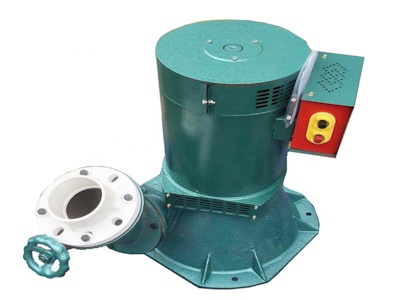
Водяные турбины являются сердцем гидроэнергетических установок, преобразуя кинетическую и потенциальную энергию воды в электрическую энергию. Их надежность и долговечность напрямую влияют на эффективность и экономическую целесообразность всего энергетического объекта. Однако, эксплуатация в агрессивных условиях, включая высокие скорости потока, абразивные частицы, кавитацию и коррозию, приводит к значительному износу компонентов турбин. Это не только снижает производительность, но и увеличивает затраты на техническое обслуживание и ремонт. В данной статье мы подробно рассмотрим современные методы защиты водяных турбин от износа, включая выбор материалов, инновационные покрытия, регулярное техническое обслуживание и передовые технологии мониторинга. Мы также обсудим реальные кейсы и практические рекомендации, которые помогут продлить срок службы турбин, обеспечивая стабильную и эффективную работу гидроэлектростанций. Понимание этих секретов позволит операторам и инженерам минимизировать простои, снизить операционные расходы и повысить общую надежность энергетической инфраструктуры.
1. Введение в проблему износа водяных турбин
Износ водяных турбин — это комплексная проблема, вызванная множеством факторов, таких как механическое истирание, кавитация, коррозия и эрозия. Эти процессы могут привести к снижению КПД, увеличению вибрации и даже катастрофическим отказам. Например, кавитация, возникающая при быстром изменении давления в потоке воды, вызывает образование и схлопывание пузырьков пара, что приводит к микроударам по поверхности лопаток. Со временем это вызывает точечную коррозию и трещины. Абразивные частицы, такие как песок и ил, ускоряют износ, особенно в реках с высоким содержанием взвешенных твердых частиц. Коррозия, усиливаемая химическим составом воды, дополнительно усугубляет ситуацию. Понимание этих механизмов является первым шагом к эффективной защите. В следующих разделах мы углубимся в детали каждого типа износа и предложим конкретные решения для их mitigation.
2. Основные типы износа и их причины
Износ водяных турбин можно классифицировать на несколько основных типов: абразивный износ, кавитационный износ, коррозионный износ и усталостный износ. Абразивный износ occurs due to the presence of solid particles in water, which scrape and erode surfaces. This is common in turbid waters and can be mitigated by filtration systems. Кавитационный износ results from the formation and collapse of vapor bubbles, causing pitting and material loss. It often affects areas with high flow velocities and pressure changes. Коррозионный износ involves chemical reactions with water constituents, leading to oxidation and degradation. Усталостный износ is caused by cyclic loading, leading to crack propagation over time. Each type requires specific countermeasures, such as material selection, protective coatings, and design optimizations. For instance, using stainless steels or composites can reduce corrosion, while hydrodynamic improvements can minimize cavitation. Regular inspections help identify early signs of wear, allowing for timely interventions.
3. Выбор материалов для повышения долговечности
Правильный выбор материалов является фундаментальным аспектом защиты водяных турбин от износа. Традиционно используются стали, такие как углеродистая сталь и нержавеющая сталь, из-за их прочности и коррозионной стойкости. Однако, для enhanced durability, advanced materials like duplex stainless steels, nickel-based alloys, and composites are increasingly adopted. Duplex steels offer excellent resistance to cavitation and corrosion, while composites provide lightweight alternatives with high wear resistance. Additionally, surface treatments like nitriding or carburizing can harden surfaces, reducing abrasive wear. It's crucial to consider the specific operating conditions, such as water pH, temperature, and particle content, when selecting materials. For example, in highly abrasive environments, materials with high hardness, such as ceramics or hardened steels, are preferable. Collaboration with material scientists and suppliers can help tailor solutions to individual turbine designs, ensuring optimal performance and longevity.
4. Инновационные покрытия и технологии защиты
Современные покрытия играют ключевую роль в защите водяных турбин от износа. Технологии, такие как thermal spray coatings, PVD (Physical Vapor Deposition), и CVD (Chemical Vapor Deposition), позволяют наносить тонкие слои износостойких материалов, таких как карбид вольфрама, алмазоподобные углероды или керамики. Эти покрытия significantly reduce abrasive and cavitational wear by providing a hard, smooth surface. For instance, tungsten carbide coatings can increase surface hardness by up to 70%, extending component life by several years. Additionally, anti-corrosion coatings, like epoxy or polyurethane paints, protect against chemical degradation. Another innovative approach is the use of sacrificial anodes or impressed current systems for cathodic protection, which prevent electrochemical corrosion. Regular recoating and maintenance of these protections are essential, as wear can eventually expose underlying materials. Implementing these technologies requires initial investment but pays off through reduced downtime and lower long-term costs.
5. Регулярное техническое обслуживание и мониторинг
Проактивное техническое обслуживание является vital для минимизации износа водяных турбин. Это включает регулярные inspections, cleaning, and lubrication of components. Non-destructive testing methods, such as ultrasonic testing, magnetic particle inspection, and visual inspections, help detect early signs of wear, cracks, or corrosion. For example, periodic checks of blade edges and seals can prevent major failures. Monitoring systems, equipped with sensors for vibration, temperature, and pressure, provide real-time data on turbine health. Advanced analytics and AI can predict wear patterns and schedule maintenance before issues escalate. Cleaning procedures, such as flushing with clean water or using robotic cleaners, remove abrasive particles and biofouling. Lubrication of bearings and other moving parts reduces friction and wear. Establishing a maintenance schedule based on operational hours and environmental conditions ensures consistent performance. Training personnel on best practices enhances the effectiveness of these efforts, contributing to overall durability.
6. Оптимизация конструкции и гидродинамики
Оптимизация конструкции водяных турбин can significantly reduce wear by improving flow dynamics and reducing stress concentrations. Computational Fluid Dynamics (CFD) simulations are used to model water flow and identify areas prone to cavitation or erosion. By redesigning blade shapes, guide vanes, and other components, engineers can achieve smoother flow, minimizing turbulence and associated wear. For instance, optimizing the angle of attack and curvature of blades reduces cavitation inception. Additionally, incorporating features like wear rings or sacrificial parts can localize wear to easily replaceable components, protecting critical parts. Material distribution and thickness can be adjusted to enhance strength where wear is highest. Collaboration between designers, manufacturers, and operators ensures that turbines are tailored to specific site conditions, such as water quality and flow rates. This holistic approach not only extends lifespan but also improves efficiency, making it a win-win for energy production and cost savings.
7. Реальные кейсы и успешные примеры
Практические примеры демонстрируют эффективность методов защиты от износа. Например, на гидроэлектростанции в Сибири, где высокое содержание абразивных частиц в воде вызывало rapid wear of turbine blades, внедрение карбид-вольфрамовых покрытий увеличило срок службы с 2 до 10 лет. Другой кейс involves a plant in Norway that used advanced CFD to redesign turbines, reducing cavitation damage by 40% and improving efficiency by 5%. In the United States, a utility company implemented a predictive maintenance system with IoT sensors, cutting downtime by 30% and maintenance costs by 20%. These successes highlight the importance of tailored solutions and continuous innovation. Lessons learned include the need for regular training, investment in technology, and adaptation to local conditions. By studying these cases, operators can adopt best practices and avoid common pitfalls, ensuring their turbines operate reliably for decades.
8. Заключение и будущие тенденции
В заключение, защита водяных турбин от износа требует multifaceted approach, combining material science, coatings, maintenance, and design optimization. Key takeaways include the importance of selecting appropriate materials, applying advanced coatings, conducting regular monitoring, and leveraging computational tools for design improvements. Future trends point towards smarter turbines with embedded sensors for real-time health monitoring, the use of nanomaterials for ultra-resistant surfaces, and increased automation in maintenance processes. Additionally, sustainability considerations may drive the adoption of eco-friendly coatings and recycling of worn components. By staying abreast of these developments, the hydroelectric industry can enhance durability, reduce environmental impact, and ensure a reliable energy supply. Ultimately, investing in these secrets of protection not only boosts longevity but also supports global efforts towards clean and sustainable energy.
Спасибо за внимание! Если у вас есть вопросы или нужна дополнительная информация, не стесняйтесь обращаться к экспертам в области гидроэнергетики.
Следующий пост: Водяная турбина осевая тяга потрясающий прорыв в энергетике