


Водяные турбины проверка давления ключевой аспект надежности
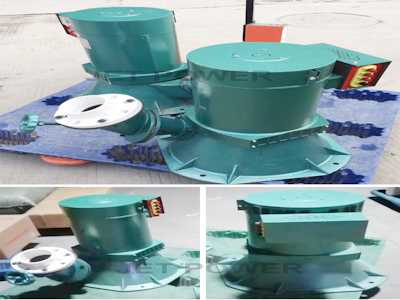
В современной гидроэнергетике водяные турбины играют центральную роль, преобразуя кинетическую энергию воды в электрическую. Надежность этих систем напрямую влияет на стабильность энергоснабжения и экономическую эффективность электростанций. Одним из наиболее критических аспектов обеспечения надежности является регулярная проверка давления в турбинах. Эта процедура не только предотвращает потенциальные сбои, но и оптимизирует производительность, продлевая срок службы оборудования. В данной статье мы глубоко исследуем, почему проверка давления является незаменимым элементом технического обслуживания, анализируя ее технические основы, методы реализации, преимущества и будущие тенденции. Мы также рассмотрим реальные кейсы и рекомендации для инженеров и операторов, стремясь предоставить комплексное руководство для повышения надежности гидроэнергетических систем.
1. Введение в важность проверки давления
Гидроэнергетика остается одним из самых устойчивых и надежных источников возобновляемой энергии, составляя значительную долю мирового энергобаланса. Водяные турбины, такие как реактивные и активные типы, подвергаются экстремальным механическим и гидравлическим нагрузкам. Давление воды, воздействующее на лопатки и корпус турбины, может варьироваться в широких пределах в зависимости от расхода воды, напора и рабочих условий. Неправильное давление может привести к кавитации, эрозии, вибрациям и даже catastrophic отказам, таким как разрыв компонентов. Например, инцидент на Саяно-Шушенской ГЭС в 2009 году, частично вызванный проблемами с давлением, подчеркивает катастрофические последствия пренебрежения этим аспектом. Регулярная проверка давления позволяет вовремя выявлять аномалии, корректировать рабочие параметры и предотвращать дорогостоящие простои. Это не просто техническая necessity, но и экономическая императив, так как снижение рисков отказов напрямую влияет на операционные расходы и безопасность персонала. В следующих разделах мы детально разберем механизмы давления в турбинах, стандартные процедуры проверки и инновационные подходы к мониторингу.
2. Основы давления в водяных турбинах
Чтобы понять важность проверки давления, необходимо сначала освоить фундаментальные принципы его воздействия на турбины. Давление в гидросистемах определяется напором воды, который представляет собой разницу высот между уровнем воды и турбиной, а также скоростью потока. Согласно уравнениям Бернулли и законам гидродинамики, давление распределяется неравномерно по компонентам турбины, создавая области высокого и низкого давления. Высокое давление может вызвать механические напряжения, ведущие к деформации или трещинам, в то время как низкое давление часто ассоциируется с кавитацией — образованием пузырьков пара, которые схлопываются с разрушительной силой, повреждая поверхности. Типы турбин, такие как Francis, Kaplan, или Pelton, имеют уникальные профили давления. Например, в турбинах Francis давление максимально на входе и уменьшается к выходу, требуя точного контроля для избежания кавитации на лопатках. Давление также влияет на КПД: оптимальное давление обеспечивает максимальное преобразование энергии, тогда как отклонения снижают эффективность. Современные computational fluid dynamics (CFD) модели позволяют simulate распределение давления, но практическая проверка остается crucial для валидации этих моделей и обеспечения real-time корректировок. Регулярные измерения с помощью датчиков давления, установленных в критических точках, предоставляют данные для анализа тенденций и прогнозирования износа.
3. Методы и технологии проверки давления
Проверка давления в водяных турбинах осуществляется с помощью разнообразных методов, ranging от традиционных манометрических подходов до advanced digital систем. Ключевые techniques включают установку piezoresistive или capacitive датчиков давления в стратегических locations, таких как входные и выходные патрубки, лопатки, и корпус турбины. Эти датчики передают данные в системы SCADA (Supervisory Control and Data Acquisition), которые обеспечивают continuous monitoring и alerting при отклонениях от нормы. Для периодических inspections используются portable манометры и ultrasonic flow meters, которые позволяют измерять давление без вмешательства в работу турбины. Additionally, non-destructive testing methods, like acoustic emission monitoring, могут detect кавитацию и pressure-related anomalies по звуковым сигналам. Современные тенденции включают IoT-enabled датчики, которые передают данные в cloud для big data analytics, enabling predictive maintenance. Например, machine learning algorithms могут анализировать historical pressure data to predict potential failures before they occur. Однако, внедрение этих technologies требует calibration и validation to ensure accuracy. Best practices involve regular calibration of sensors, adherence to international standards such as IEC 60193 for hydraulic turbines, и training personnel to interpret data correctly. Стоимость внедрения advanced systems может быть высокой, но она окупается reduced downtime и increased lifespan оборудования.
4. Преимущества регулярной проверки давления
Регулярная проверка давления приносит multifaceted benefits для гидроэнергетических систем. Во-первых, она significantly enhances надежность by preventing unexpected failures. By monitoring pressure trends, operators can detect early signs of issues like clogging, wear, or misalignment, and schedule maintenance during planned outages, avoiding costly emergency repairs. For instance, a study by the International Hydropower Association showed that facilities with robust pressure monitoring reduced failure rates by up to 30%. Secondly, it improves efficiency: maintaining optimal pressure ensures that turbines operate at peak performance, maximizing energy output and reducing energy losses. This directly translates to higher revenue and lower operational costs. Thirdly, safety is bolstered; pressure-related failures can lead to hazardous situations, such as leaks or explosions, endangering workers and the environment. Regular checks mitigate these risks, ensuring compliance with safety regulations like OSHA standards. Additionally,延长 срок службы оборудования: by avoiding excessive pressure loads, components like blades and seals last longer, reducing replacement costs. From an economic perspective, the return on investment (ROI) for pressure monitoring systems is compelling, often paying for itself within a few years through saved repair costs and increased availability. Moreover, in the context of climate change and variable water flows, adaptive pressure management helps turbines cope with changing conditions, enhancing resilience. Overall, the advantages extend beyond technical aspects to encompass economic, environmental, and social dimensions, making it a cornerstone of sustainable hydropower operation.
5. Реальные кейсы и уроки learned
Анализ реальных инцидентов provides valuable insights into the criticality of pressure checks. One prominent case is the aforementioned Sayano-Shushenskaya disaster in Russia, where a turbine failure due to prolonged vibrations and pressure fluctuations resulted in 75 deaths and massive financial losses. Post-incident investigations highlighted that inadequate pressure monitoring and maintenance were key factors. Conversely, positive examples abound: the Hoover Dam in the USA employs continuous pressure monitoring with advanced sensors, which has enabled it to operate reliably for decades with minimal issues. In Norway, hydropower plants use integrated pressure systems that automatically adjust to flow variations, demonstrating how proactive checks can enhance adaptability. Lessons from these cases emphasize the need for: regular sensor calibration, comprehensive data analysis, and staff training. For example, after the Sayano-Shushenskaya accident, many plants adopted more frequent pressure inspections and implemented real-time monitoring networks. Another lesson is the importance of redundancy in measurement systems to avoid single points of failure. Additionally, collaboration with manufacturers for customized solutions can yield better outcomes, as seen in projects where turbine designs were modified based on pressure data to reduce cavitation risks. These real-world experiences underscore that investing in pressure checking is not optional but essential for avoiding catastrophes and achieving long-term operational excellence.
6. Будущие тенденции и инновации
Будущее проверки давления в водяных турбинах shaped by technological advancements and evolving industry needs. Emerging trends include the integration of artificial intelligence (AI) and machine learning for predictive analytics. AI algorithms can process vast amounts of pressure data in real-time, identifying patterns that humans might miss and forecasting failures with high accuracy. For instance, deep learning models can simulate pressure scenarios under different operating conditions, allowing for virtual testing and optimization. Another innovation is the use of digital twins—virtual replicas of physical turbines—that continuously update based on sensor data, enabling simulations of pressure effects and proactive maintenance decisions. IoT and 5G technology will enhance connectivity, allowing for faster data transmission from remote sensors to central control systems, even in harsh environments. Additionally, advancements in materials science, such as self-healing coatings for turbine components, can mitigate pressure-related damage, reducing the frequency of checks. However, these innovations come with challenges, including cybersecurity risks for connected systems and the need for skilled personnel to manage complex technologies. The industry is also moving towards standardization of pressure monitoring protocols to ensure interoperability between different systems. Looking ahead, the focus will be on making pressure checking more autonomous, cost-effective, and integrated with overall smart grid management. This will not only improve reliability but also support the global transition to renewable energy by maximizing the efficiency and lifespan of hydropower assets.
7. Рекомендации для практической реализации
Для успешной реализации программ проверки давления, операторам и инженерам следует adhere to a structured approach. First, conduct a thorough risk assessment to identify critical pressure points and potential failure modes specific to their turbine type and operating environment. This should be based on manufacturer guidelines and historical data. Second, invest in reliable sensor technology; choose sensors with high accuracy, durability, and compatibility with existing systems. Regular calibration is essential—schedule it annually or as per manufacturer recommendations. Third, implement a continuous monitoring system integrated with SCADA or similar platforms to enable real-time alerts and data logging. Train personnel on how to interpret pressure data and respond to anomalies; this includes understanding normal operating ranges and escalation procedures. Fourth, establish a maintenance schedule that includes periodic manual checks alongside automated monitoring, especially after major events like floods or maintenance activities. Fifth, leverage data analytics tools to track trends and perform root cause analysis for any incidents. Collaboration with experts and participation in industry forums can provide insights into best practices. Additionally, consider the economic aspects: calculate the ROI of monitoring systems to justify investments, and explore funding options such as government grants for green energy projects. Finally, foster a culture of safety and proactive maintenance within the organization, emphasizing that pressure checking is a shared responsibility. By following these recommendations, hydropower plants can achieve a robust pressure management strategy that enhances reliability, efficiency, and safety.
8. Заключение
В заключение, проверка давления в водяных турбинах является indispensable для обеспечения надежности, эффективности и долговечности гидроэнергетических систем. Как мы explored в этой статье, pressure directly influences mechanical integrity, energy conversion, and safety, making its monitoring a critical aspect of operational management. Through advanced technologies, regular inspections, and learning from past incidents, operators can mitigate risks and optimize performance. The future holds promise with innovations like AI and digital twins, but the foundation remains a commitment to diligent practice. By prioritizing pressure checks, the hydropower industry can continue to provide clean, reliable energy while minimizing environmental and economic impacts. We encourage all stakeholders to adopt comprehensive pressure monitoring protocols and invest in continuous improvement, ensuring that water turbines remain a cornerstone of global energy sustainability.
Следующий пост: Основные параметры работы гидротурбин для стабильной энергетики