

Повышение эффективности гидроэнергетики через модернизацию турбин
Гидроэнергетика, как один из старейших и наиболее надежных источников возобновляемой энергии, продолжает играть ключевую роль в глобальном энергетическом балансе. Однако, с ростом спроса на электроэнергию и усилением внимания к экологической устойчивости, возникает острая необходимость в повышении эффективности существующих гидроэлектростанций. Модернизация турбин представляет собой мощный инструмент для достижения этой цели, позволяя увеличить выработку энергии, сократить эксплуатационные расходы и минимизировать воздействие на окружающую среду. В этой статье мы глубоко погрузимся в тему, исследуя современные подходы, инновационные технологии и реальные примеры, демонстрирующие, как модернизация турбин может революционизировать гидроэнергетику.
Введение в гидроэнергетику и ее вызовы
Гидроэнергетика основана на преобразовании кинетической и потенциальной энергии воды в электрическую энергию с помощью турбин и генераторов. По данным Международного энергетического агентства, гидроэнергетика обеспечивает около 16% мирового производства электроэнергии, что делает ее крупнейшим источником возобновляемой энергии. Однако многие существующие гидроэлектростанции были построены десятилетия назад и используют устаревшее оборудование, что приводит к снижению эффективности. Типичные проблемы включают износ турбин, низкий КПД, повышенное энергопотребление на собственные нужды и экологические issues, такие как воздействие на aquatic ecosystems. Модернизация турбин address эти challenges by integrating advanced materials, smart control systems, and optimized designs.
Основные типы гидравлических турбин и их эволюция
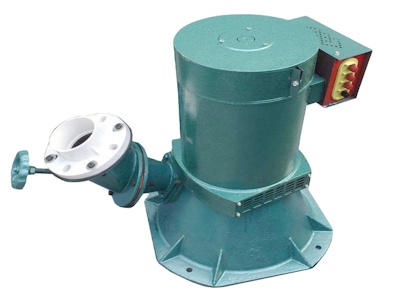
Гидравлические турбины делятся на несколько основных типов, включая реактивные турбины (например, турбины Фрэнсиса и Каплана) и активные турбины (например, турбины Пелтона). Каждый тип имеет свои преимущества и limitations в зависимости от напора и расхода воды. Исторически, турбины проектировались с focus на надежность, но современные инновации позволяют significantly повысить их efficiency. For instance, турбины Фрэнсиса, commonly used in medium-head applications, have seen improvements in blade design through computational fluid dynamics (CFD), leading to efficiency gains of up to 5-10%. Similarly, турбины Каплана, ideal for low-head sites, benefit from adjustable blades that optimize performance under varying flow conditions. The evolution from mechanical to digital control systems has further enhanced responsiveness and energy output.
Ключевые технологии модернизации турбин
Модернизация турбин encompasses a range of technologies designed to boost performance. One prominent approach is the use of advanced materials, such as composite materials and coatings, which reduce weight, increase durability, and minimize corrosion. For example, polymer composites can extend turbine lifespan by up to 20 years while improving efficiency. Another critical technology is the implementation of smart sensors and IoT devices for real-time monitoring. These systems collect data on parameters like vibration, temperature, and flow rates, enabling predictive maintenance and reducing downtime. Additionally, computational tools like CFD and finite element analysis (FEA) allow for precise simulation and optimization of turbine designs before physical implementation, reducing risks and costs. Case studies show that retrofitting old turbines with these technologies can increase energy output by 10-15% and reduce maintenance costs by 20-30%.
Экономические и экологические преимущества модернизации
Investing in turbine modernization offers substantial economic benefits. By increasing efficiency, hydroelectric plants can generate more electricity without additional water consumption, leading to higher revenue. For instance, a study by the World Bank indicates that modernizing a typical hydro plant can yield a return on investment within 5-7 years due to energy savings and reduced operational expenses. Environmentally, modernization reduces the carbon footprint by maximizing the use of renewable resources and minimizing waste. Improved turbine designs also mitigate negative impacts on aquatic life, such as fish mortality, through features like fish-friendly turbines. Moreover, by enhancing grid stability and supporting the integration of other renewables, modernized hydro plants contribute to a more sustainable energy mix. Overall, the synergy between economic gains and environmental stewardship makes turbine modernization a win-win strategy.
Реальные примеры успешных проектов модернизации
Numerous projects worldwide demonstrate the transformative impact of turbine modernization. In Russia, the modernization of the Volga Hydroelectric Cascade involved replacing outdated turbines with high-efficiency models, resulting in a 12% increase in energy production and significant cost savings. Similarly, in Canada, the Niagara Falls hydro plant upgrade incorporated advanced Kaplan turbines with digital controls, boosting efficiency by 15% and reducing environmental disruption. In Norway, a focus on small-scale hydro plants has shown that even minor upgrades can lead to substantial benefits, with some projects achieving efficiency improvements of over 20%. These examples highlight the scalability of modernization efforts, from large dams to smaller installations, and underscore the importance of tailored solutions based on local conditions.
Будущие тенденции и инновации в гидроэнергетике
The future of hydroelectric turbine modernization is bright, driven by emerging technologies such as artificial intelligence (AI) and machine learning. AI algorithms can optimize turbine operation in real-time, adapting to changing water flows and demand patterns to maximize efficiency. Additionally, the development of new turbine types, like vortex turbines or hydrokinetic turbines, offers opportunities for low-impact energy generation in diverse environments. Research into energy storage integration, such as pumped storage hydropower, enhances the role of hydro in balancing intermittent renewables like solar and wind. Furthermore, global initiatives, such as those promoted by the International Hydropower Association, encourage best practices and knowledge sharing. As climate change intensifies, the demand for efficient, resilient energy systems will only grow, making turbine modernization a critical component of the global energy transition.
Заключение: Путь вперед для гидроэнергетики
В заключение, модернизация турбин является мощным катализатором для повышения эффективности гидроэнергетики, offering tangible benefits in terms of energy output, cost savings, and environmental protection. By embracing innovative technologies and learning from successful projects, the hydroelectric industry can overcome its challenges and secure a sustainable future. Stakeholders, including governments, utilities, and investors, should prioritize modernization efforts through funding, policy support, and collaboration. As we move towards a carbon-neutral world, гидроэнергетика, enhanced by modern turbines, will remain a cornerstone of clean energy systems. Let us seize this opportunity to transform our energy infrastructure and build a brighter, more efficient tomorrow.